How much does a new roof cost? Materials, Labor, and Ways to Save
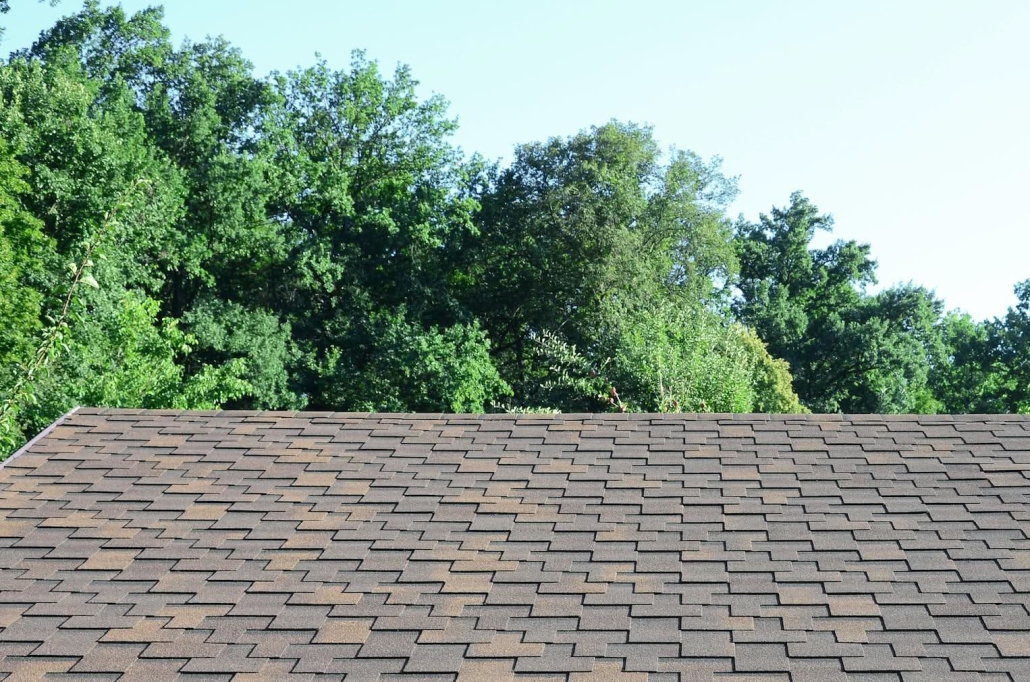
Investing in a new roof is a really important decision for homeowners. A new roof protects your home from the elements, and it can also increase energy efficiency and property value. Understanding the cost of a new roof and how to get the best value can be overwhelming. Let’s explore what you need to consider when replacing a residential roof.
Factors That Affect the Cost of a New Residential Roof
1. Roof Size and Complexity
The size of your roof significantly impacts the roof replacement cost. A larger roof requires more materials and labor, increasing the total expense. Additionally, complex roof designs with steep slopes, multiple levels, skylights, or chimneys can add to labor costs due to the additional time and expertise required.
2. Choice of Roofing Material
Different roofing materials vary in cost, durability, and longevity. Here’s a breakdown of the most common roofing materials and their price ranges per square foot:
- Asphalt Shingles: Most affordable and widely used, costing $3-$7 per square foot.
- Metal Roofing: Durable and energy-efficient, ranging from $5-$14 per square foot.
- Tile Roofing: Aesthetic and long-lasting but costly, between $8-$25 per square foot.
- Slate Roofing: High-end material with a lifespan of 100+ years, costing $15-$30 per square foot. Choosing the right roofing material depends on your budget, climate, and long-term maintenance needs.
3. Labor and Installation Costs
Hiring a licensed and insured roofing contractor is essential for quality workmanship and having your roof last the lifetime of the materials. Labor costs can vary based on location, roof complexity, and contractor experience. On average, roof installation labor costs account for 40-60% of the total roofing cost.
4. Additional Expenses
Beyond materials and labor, additional costs may include:
- Roof removal and disposal fees for tearing off old roofing materials.
- Roof decking repairs if structural issues are detected.
- Permits and inspections, which vary by location.
How to Get the Best Value When Purchasing a New Roof
Quality and value can happen when you know what to look for, even when it comes to roofing. Here are a few tips to help make sure you aren’t cutting quality or over-paying.
1. Get Multiple Estimates
Request roof replacement quotes from at least three roofing contractors to compare pricing, materials, and warranties. A detailed estimate should outline labor, materials, warranties, and any additional costs.
2. Choose Quality Over the Lowest Price
While it’s tempting to go with the cheapest roofing contractor, low prices can indicate poor materials, lack of licensing, or hidden fees. Investing in high-quality roofing materials and professional installation can save you money in the long run.
3. Ask About Warranties
A solid roofing warranty provides peace of mind. Ask about:
- Manufacturer warranties for materials.
- Workmanship warranties provided by the contractor.
4. Consider Energy-Efficient Roofing
Energy-efficient roofing materials, such as cool roofing shingles or metal roofing, can reduce energy costs and may qualify for tax credits or rebates. Proper insulation and ventilation also help maximize energy savings.
5. Schedule Your Roof Replacement During Off-Peak Seasons
Roofing companies are busiest in spring and summer. Scheduling your roof replacement in late fall or early winter can result in discounted pricing and quicker turnaround times. You also want to be mindful of the season and whether when scheduling your roof replacement.
Conclusion
The cost of a new roof depends on factors such as size, materials, labor, and additional expenses. To get the best value, homeowners should compare estimates, invest in quality materials, and explore warranties. Taking the time to research your options ensures you’ll have a durable, energy-efficient roof that protects your home for years to come.
Need a new roof? A-Team Construction is here to guide you every step of the way.


