Best Practices for Commercial Roof Inspection
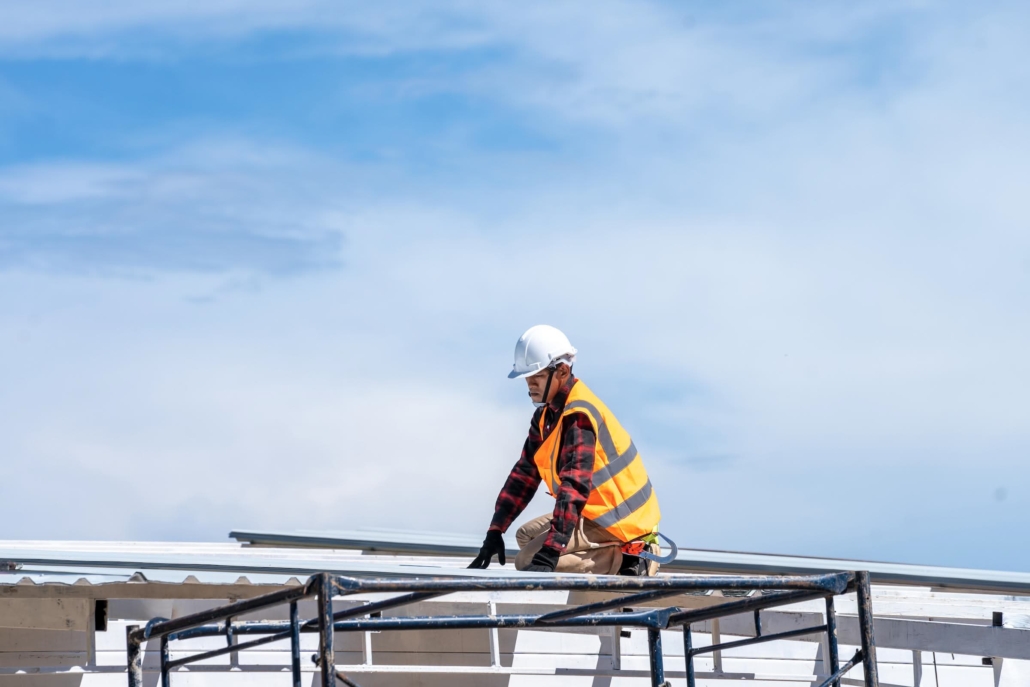
A well-maintained commercial roof is essential for protecting your business, employees, and assets from weather-related damage. Conducting regular commercial roof inspections helps identify potential issues early, preventing costly repairs and extending the lifespan of your roofing system. In this guide, we’ll cover the best practices for commercial roofing maintenance and how to ensure your roof remains in top condition.
Why Regular Roof Inspections Are Essential
Preventative Maintenance
Routine inspections play a critical role in preventative maintenance for commercial roofs. Identifying minor issues such as cracks, leaks, or pooling water early can prevent costly structural damage down the line.
Extending Roof Lifespan
Investing in regular inspections helps maximize the life expectancy of your roof by addressing wear and tear before it leads to major repairs or replacements.
Protecting Business Operations
Leaks or structural damage can disrupt daily operations, cause interior damage, and pose safety hazards. A well-maintained roof ensures that your business remains operational without unexpected interruptions.
Insurance & Compliance
Many warranties and insurance policies require documented inspections. Keeping up with scheduled roof inspections ensures compliance and simplifies potential insurance claims.
Best Practices for Commercial Roof Inspection
1. Schedule Routine Inspections
A common question business owners ask is, How often should you inspect a commercial roof? The answer: at least twice a year, typically in the spring and fall. Additional inspections should follow major storms to assess potential damage.
2. Follow a Comprehensive Commercial Roof Inspection Checklist
During each inspection, check for the following common commercial roofing issues:
- Leaks & Water Damage – Inspect for water stains, mold growth, and standing water, which could indicate drainage problems.
- Membrane or Material Damage – Look for cracks, blisters, punctures, or missing materials, particularly in single-ply and built-up roofing systems.
- Flashing & Seals – Ensure flashing is intact around vents, HVAC units, and skylights to prevent water infiltration.
- Gutters & Drainage Systems – Clear any debris from gutters and downspouts to prevent blockages and pooling water.
3. Hire Professional Roof Inspection Services
While regular visual checks are beneficial, hiring a professional ensures a more thorough evaluation. Experts use advanced tools like infrared scanning to detect hidden moisture and weak spots, enhancing the effectiveness of your commercial roof inspection checklist.
4. Maintain Proper Documentation
For optimal commercial roofing maintenance, keep detailed records of each inspection, including photos and notes on repairs. This documentation helps track recurring issues, aids in insurance claims, and supports warranty compliance.
5. Plan for Preventative Repairs
Addressing minor problems early can prevent larger, more expensive repairs. Preventative maintenance for commercial roofs includes:
- Repairing small leaks before they worsen.
- Replacing damaged flashing or sealing cracks.
- Clearing drainage systems to prevent water buildup.
Conclusion: Protect Your Commercial Roof with Regular Inspections
Regular commercial roof inspections are essential for preventing damage, extending roof lifespan, and maintaining business operations. By following best practices, hiring professional roof inspection services, and maintaining thorough records, you can ensure the long-term integrity of your roof.
If you’re unsure about the condition of your commercial roof, contact a roofing professional today. Investing in regular inspections can save you from costly repairs and keep your business running smoothly.


