Budgeting for Commercial Roof Replacement: Cost Factors and Planning Strategies for Small Business Owners
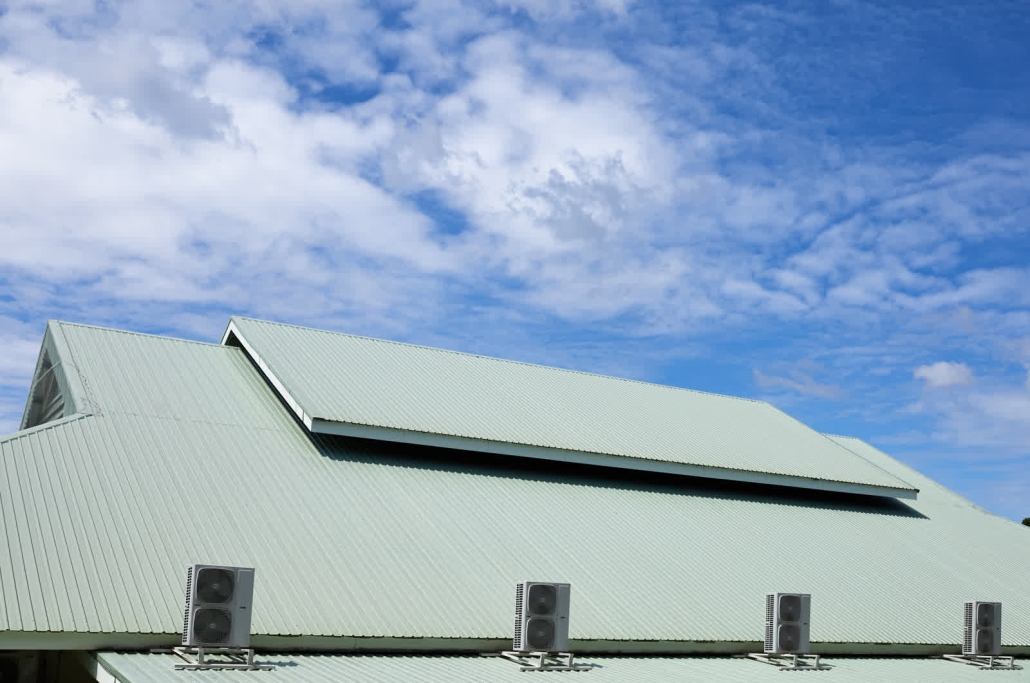
For many small business owners, owning your building is a major milestone and a significant responsibility. Maintaining that property isn’t just about keeping up appearances; it’s about protecting your business assets, minimizing operational disruptions, and planning strategically for future expenses.
One of the most substantial building investments you’ll make is replacing your commercial roof. Whether you operate a retail storefront, a professional office, a warehouse, or a light industrial space, budgeting properly for a roof replacement can help you avoid financial surprises and ensure your business remains operational during the process.
Here’s what you need to know as a building owner when preparing for this essential upgrade.
1. Define the Scope of the Project
Every commercial roof is different. Before budgeting, take stock of your roof’s size, design complexity, slope, and existing conditions. A small, single-story building with a flat roof will generally cost significantly less than a large multi-unit facility with complex features like HVAC systems, skylights, or multiple elevations.
Additionally, the condition of your current roof matters. Will it need a full tear-off? Does it have multiple layers that require removal? These factors directly impact labor time and material requirements—and ultimately your budget.
2. Select the Right Roofing System
The type of material you choose plays a major role in cost, performance, and longevity. Some common commercial roofing options include:
- TPO (Thermoplastic Polyolefin) – A cost-effective, energy-efficient choice with excellent UV resistance.
- EPDM (Rubber Roofing) – Known for its durability and flexibility, especially on flat roofs.
- PVC Roofing – Resistant to chemicals and ideal for restaurants, manufacturing, and facilities with rooftop venting.
- Built-Up Roofing (BUR) – A layered, traditional system for low-slope roofs, providing good waterproofing.
- Metal Roofing – Offers long-term value with a longer lifespan and durability but has a higher upfront investment.
When choosing a system, think beyond just the initial price. Consider insulation properties, potential tax benefits (such as energy efficiency rebates), and long-term maintenance requirements.
3. Account for Labor and Installation
Labor typically makes up 50–60% of your overall roofing cost. This includes:
- Tear-off and disposal of old materials
- Repairs to decking or structural elements
- Installation of new insulation and waterproofing layers
- Flashing and custom fabrication
If your roof includes penetrations (vents, skylights, HVAC units), labor time and cost will increase. Accessibility also matters—roofs that are difficult to reach or require safety setup can incur higher labor charges.
4. Plan for Permits, Codes, and Inspections
In most areas, replacing a commercial roof requires permits, scheduled inspections, and compliance with updated building codes. Fees vary by municipality, but failing to account for these costs could delay your project or lead to fines.
Work with a contractor who is familiar with your local building authority. They can usually handle permit applications and ensure compliance with insulation values, fire ratings, and drainage standards.
5. Think About Long-Term ROI
As a business owner, it’s important to think like an investor. A slightly more expensive roofing system that reduces energy bills, qualifies for tax incentives, or comes with an extended warranty may offer a better long-term return on investment.
Look for roofing options that:
- Improve energy efficiency
- Require minimal maintenance
- Offer strong manufacturer warranties
- Are compatible with solar panels or HVAC upgrades
In some cases, your new roof can even enhance your property’s appraised value or make it more attractive to future tenants.
6. Build in a Contingency Fund
Unexpected expenses can arise once the old roof is removed. You may uncover hidden moisture damage, compromised insulation, or deteriorated decking that needs to be replaced. To avoid delays or financial strain, set aside an additional 10–15% of your total project budget for unforeseen issues.
7. Schedule Strategically to Minimize Disruption
Timing matters. If your business operates seasonally or has slow periods, schedule your roofing project during those months to avoid lost revenue. Discuss timelines with your contractor and ask about phased installation options if you need to keep part of your building open.
Final Thoughts
Replacing the roof on your commercial building is a major undertaking but with the right planning, it doesn’t have to be overwhelming. By understanding the cost drivers, choosing materials strategically, and working with a qualified roofing contractor, you can make a smart investment that protects your business for decades to come.
Planning ahead isn’t just about budgeting it’s about keeping your operations running smoothly, your employees and customers safe, and your property in peak condition.


