Commercial Roof Budget Planning: Avoiding Costly Forecasting Mistakes
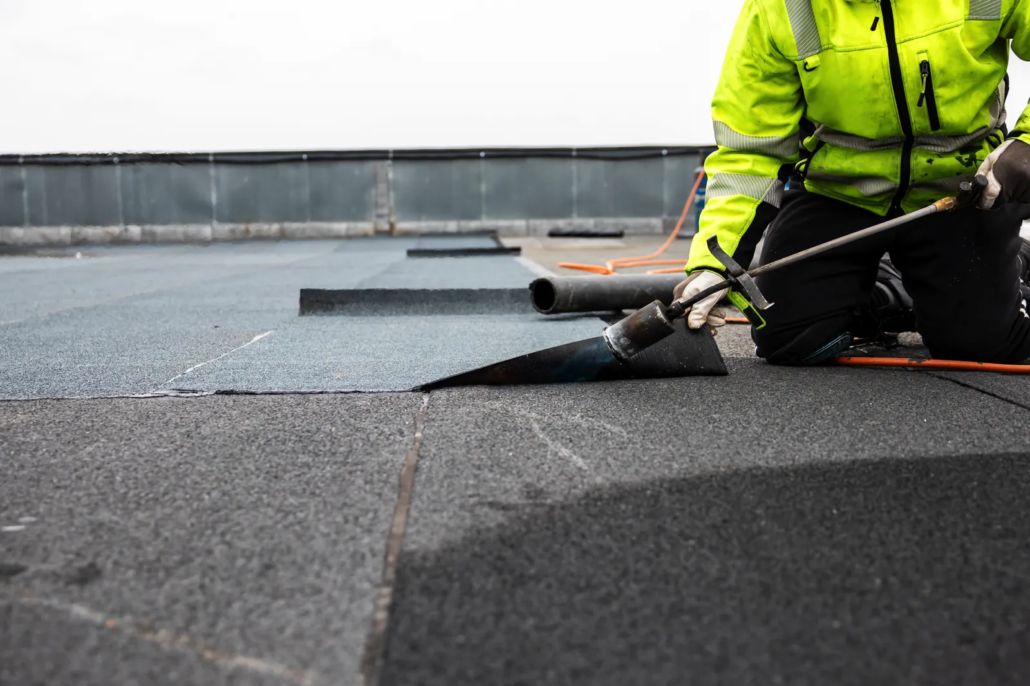
When it comes to commercial properties, the roof is often treated as “out of sight, out of mind.” That mindset is exactly why so many owners struggle with commercial roof budget planning. Roofing expenses don’t usually show up as a steady monthly cost. Instead, they appear as sudden, significant capital needs—and that’s where mistakes happen.
Let’s take a closer look at where budgeting goes wrong and how to avoid it.
Mistake #1: Waiting Until There’s a Problem
One of the most common roof maintenance budgeting errors is assuming that if the roof isn’t leaking, it doesn’t need financial attention. In reality, roofs age gradually. Membranes thin, seams weaken, and insulation loses performance long before visible damage appears.
Without a structured roof replacement budget forecast, owners often react instead of plan. When replacement becomes urgent, it disrupts cash flow and may force financing decisions under pressure.
Mistake #2: Ignoring Multi-Year Planning
Roofing isn’t a one-year expense. It’s a long-term capital asset. Yet many owners fail to develop a multi-year roofing budget that accounts for inspections, minor repairs, coatings, and eventual replacement.
A practical roof lifecycle budget model spreads anticipated costs over the expected lifespan of the system. Instead of absorbing a six-figure surprise, owners allocate funds annually based on projected deterioration and inflation. This approach reduces stress and improves predictability.
Mistake #3: Underfunding Reserves
Flat commercial roofs in particular require disciplined planning. Without proper flat roof reserve funding, businesses expose themselves to significant disruption when replacement is unavoidable.
The underfunded roof replacement risk is real. When reserves fall short, owners may delay necessary work, which can lead to interior damage, tenant complaints, or operational downtime. In some cases, deferred replacement multiplies costs due to insulation damage or structural concerns.
Mistake #4: Confusing Maintenance with Capital Strategy
Maintenance and capital planning serve different purposes, yet they are often blended together. Routine repairs belong in operating expenses. Full system replacements fall under commercial roofing capital planning.
Effective roofing capex forecasting requires understanding the roof’s age, material type, exposure conditions, and prior repair history. Without that data, projections are guesswork. Guesswork leads to inaccurate numbers—and inaccurate numbers lead to budget gaps.
Mistake #5: Overlooking Cost Escalation
Material and labor costs rarely stay flat. Failing to account for inflation is one of the leading causes of commercial roofing cost overruns. A roof replacement estimated today may cost significantly more five years from now.
That’s why an updated roof replacement budget forecast should be revisited annually. Small adjustments now prevent major shortfalls later.
Building a Smarter Budget
Strong commercial roof budget planning starts with an inspection and realistic lifespan assessment. From there, owners can create a structured multi-year roofing budget, establish proper flat roof reserve funding, and build projections into broader financial planning.
Roofing isn’t just a maintenance issue. It’s a capital asset that directly affects property value, tenant satisfaction, and operational stability.
Final Thoughts
Commercial roofs don’t fail overnight—but financial plans often do. By correcting common roof maintenance budgeting errors, investing in accurate roofing capex forecasting, and adopting a clear roof lifecycle budget model, owners can avoid costly surprises and make smarter long-term decisions.

