How Do I File a Roof Insurance Claim? Here’s What You Need to Know
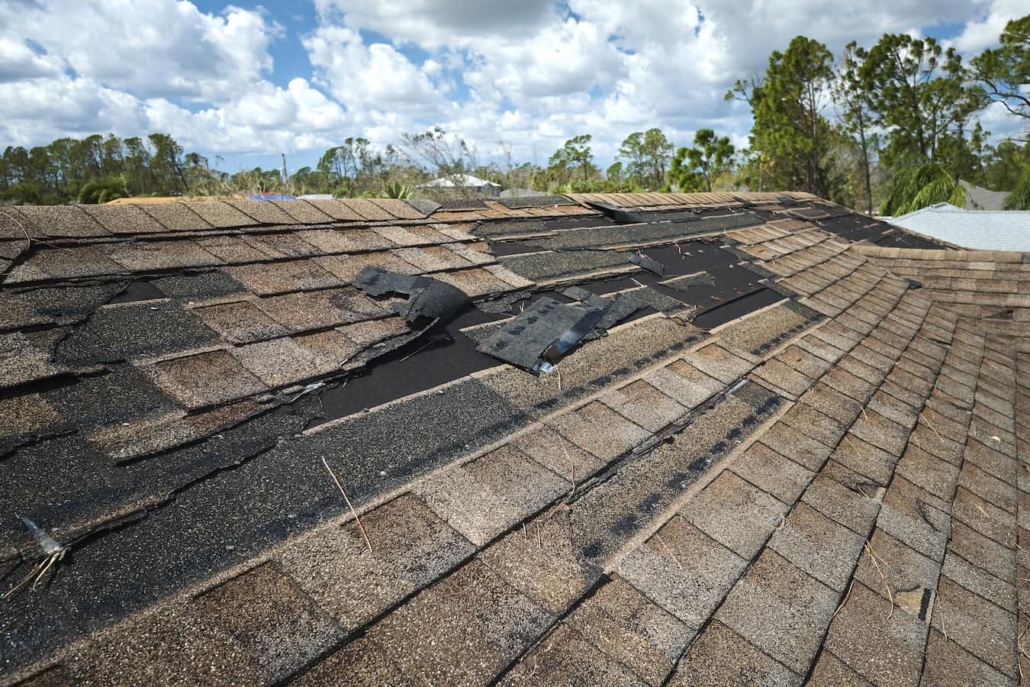
All homeowners worry about their roofs at one point or another. They might worry about the life span of the roof, or if there is damage due to weather. The real anxiety can come from wondering whether or not their homeowner’s insurance will cover repairs or a replacement. Policy terms and conditions aren’t always the easiest to read, and this can leave homeowners confused and frustrated.
What Homeowners Insurance Covers
Most homeowners’ insurance policies cover damage caused by sudden and accidental events like:
- Severe storms
- Hail
- High winds
- Fire
These stipulations can change depending on the policy holder as well as location, so homeowners should always check their individual policy.
What Homeowners Insurance Doesn’t Cover
Knowing what isn’t covered is just as important as knowing what isn’t. In general, the following isn’t covered:
- Regular wear/tear
- Neglect
- Pre-existing Damage
Steps to Get Insurance to Pay for A Roof Replacement/Repair
If a homeowner thinks their residential roof qualifies for a repair or replacement under their policy, these steps will help them get the process started and ensure they aren’t responsible for the expense.
1. Document the damage
As soon as there is damage, take pictures. They should be clear, with good lighting and easy to identify the damage. If possible, include timestamps.
2. Contact Your Insurance Company
Doesn’t matter the time of day or night, getting a phone call and email in will help start the process. The homeowner will want to be very specific with the damage, and if it is after hours, they will want to be sure to follow up during business hours.
3. Schedule an Inspection
The insurance company will probably send an adjuster to the resident to assess the damage. The homeowner will want to be present for the inspection to ensure all issues are addressed. This is also a great time to have a roofing contractor present to provide a secondary opinion of the damage and to ensure everything has been considered by the adjuster.
4. Find a Residential Roof Contractor
Be sure the contractor is licensed and has had experience working with insurance claims. They can provide a professional estimate for the repair/replacement and can also help communicate with the insurance company.
A Note About Claims
Insurance claims can take time, so it’s important for homeowners to continue to consistently communicate with their insurance company. Emails and phone calls will help create a paper trail if there are problems in regard to how long it takes for a claim to be resolved.
Things to Consider That May Result in a Denied Claim
Unfortunately, the brunt of the work is on the homeowner when it comes to ensuring claims are fulfilled. Avoid these common mistakes if possible:
- Ignoring Small Issues: Small leaks, missing shingles or even signs of light damage should be reported right away.
- Delaying Claims: Even in the midst of a busy day or week, delaying a claim may result in a denial. Homeowners should be as timely as possible when reporting damage.
- Hiring Unlicensed Contractors: This can be a costly mistake. Hiring an unlicensed contract may result in the roof being replace/repair, the insurance company not covering the work, and the homeowner is stuck with the bill.
When in Doubt, Get Professional Help
Navigating insurance claims are not easy, and many homeowners struggle. Delaying the issue may result in more damage to the roof, and the possibility of a denied claim. If you have questions about residential roof damage, contact a licensed roofing contractor for a free inspection and assistance with your insurance claim.


