How Often Should I Replace My Roof?
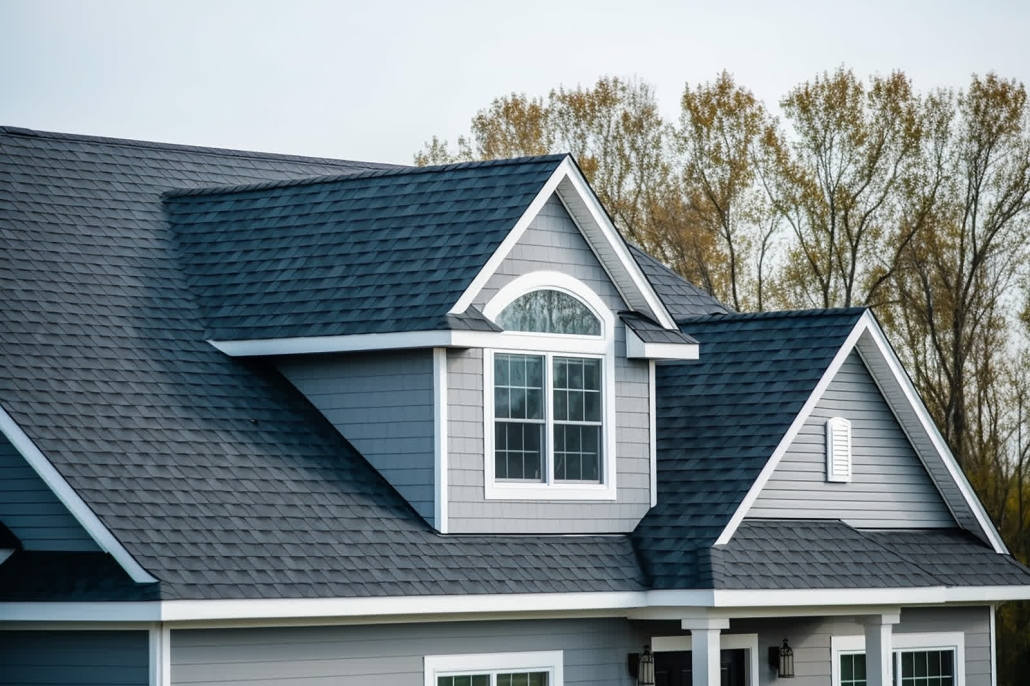
Every homeowner has asked themselves at some point: How often should I replace my roof? Maybe it’s after a storm, or a particularly rough winter, or maybe it’s just been a while but eventually the material will reach the end of its lifespan and will need to be replaced.
The answer isn’t one-size-fits-all, though. How often you should replace your roof depends on several factors, including the type of material, the climate you live in, and how well the roof has been maintained over time.
Let’s break it down so you can get a better idea of what to expect.
Common Roofing Materials and Their Lifespans
Different roofing materials wear out at different rates. Here’s a rough estimate of how long each type typically lasts:
- Asphalt shingles: 15–30 years
- Wood shakes: 20–40 years
- Metal roofing: 40–70 years
- Clay or concrete tiles: 50+ years
- Slate roofing: 75–100 years
These numbers can vary based on installation quality, exposure to weather, and routine maintenance. For example, a basic asphalt roof in a region with heavy snow or storms might wear out faster than one in a more moderate climate.
Signs Your Roof May Need to Be Replaced
Age isn’t the only thing that matters. Here are a few warning signs that it might be time for a replacement:
- Curling or cracked shingles
- Dark streaks or algae growth
- Frequent leaks or water stains on ceilings
- Missing shingles or bald spots
- Daylight visible through the attic ceiling
If your roof is more than 20 years old and you’re noticing one or more of these issues, it’s a good idea to call a roofing professional for an inspection.
How to Extend Your Roof’s Life
You may not be able to stop time, but you can help your roof last longer with proper care:
- Clean gutters regularly to prevent water buildup.
- Trim overhanging branches to reduce debris and moss growth.
- Schedule annual inspections, especially after major storms.
- Fix small problems early before they turn into big repairs.
Staying ahead of damage can add years to your roof’s life and save you from needing a full replacement sooner than expected.
Final Thoughts
There’s no exact expiration date stamped on your roof, but with the right knowledge and upkeep, you’ll know when it’s time to consider a replacement. Whether your roof is brand new or pushing 20 years, keeping an eye on its condition is the smartest way to protect your home and your budget.


