How to Handle Emergency Roof Repairs for Your Commercial Property
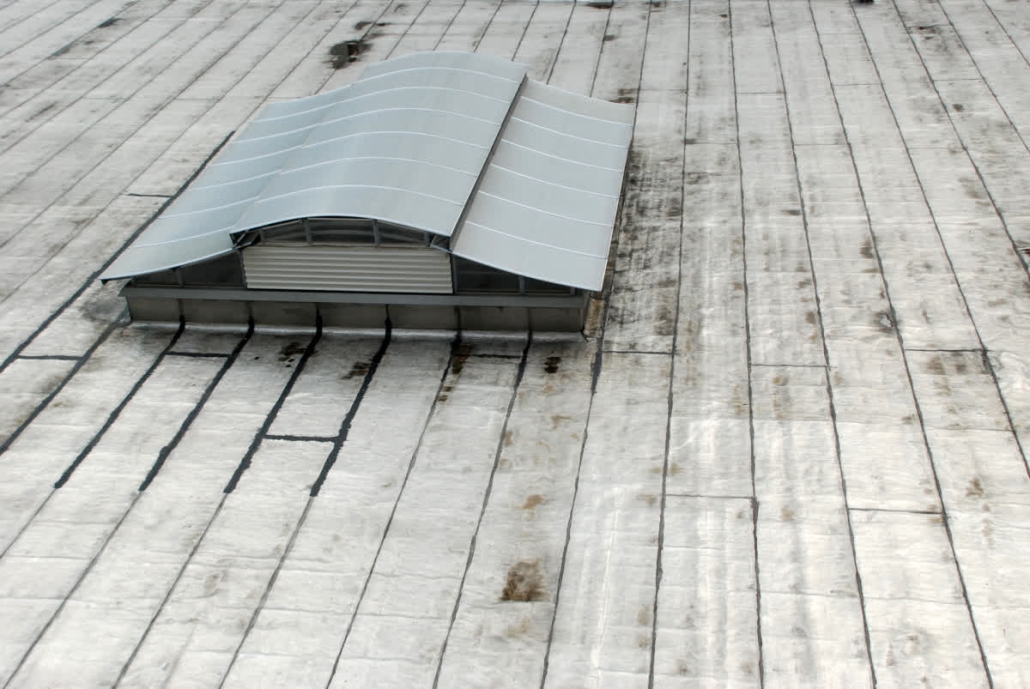
Roof damage never happens at a convenient time, especially when it’s a commercial property. Whether it’s from high winds, hail, heavy snow, or sudden leaks, emergency roofing situations can disrupt business operations, damage valuable equipment, and even pose safety risks. Knowing how to respond quickly and effectively can mean the difference between a manageable fix and a costly catastrophe.
Here’s a step-by-step guide for property managers and business owners to handle commercial roof emergencies the right way.
Step 1: Prioritize Safety First
Before doing anything else, make sure the area beneath the damaged portion of the roof is safe. If water is leaking into the building, shut off electrical systems in affected zones and move people and equipment away from the area. Wet surfaces can be hazardous, so use caution and restrict access as needed.
Step 2: Contain the Damage
Try to stop water from spreading further inside the building. Use buckets, plastic sheeting, or tarps to catch and contain leaks. If the damage allows, place a temporary covering over the roof using a tarp and some sandbags but only if it’s safe to do so. This step helps reduce interior damage until professionals can step in.
Step 3: Document Everything
Take detailed photos and notes of all visible damage, both inside and outside the building. Include timestamps and descriptions. This documentation will be critical for insurance claims and for helping roofing contractors understand the scope of the issue when they arrive.
Step 4: Contact a Commercial Roofing Contractor
Time is everything in an emergency. Reach out to a reputable commercial roofing contractor that offers emergency services. Be sure to choose a company with experience in commercial systems like TPO, EPDM, metal, or modified bitumen roofing. Ask if they offer 24/7 response and whether they can provide temporary sealing or repairs on the spot.
Step 5: Notify Your Insurance Provider
Contact your insurance company as soon as possible to report the damage. Provide the documentation you’ve gathered, and schedule an adjuster visit if required. Many policies include coverage for emergency roof repairs, but fast reporting is key to securing your claim.
Step 6: Plan for Permanent Repairs
Once the immediate crisis is under control, work with your roofing contractor to schedule permanent repairs. They will inspect the roof thoroughly to identify all hidden damage and provide an estimate. Be sure to request a detailed repair plan, including a timeline and warranty coverage.
Step 7: Set Up a Preventative Maintenance Plan
After an emergency, it’s a smart move to invest in routine inspections and maintenance. Many roof failures can be avoided with regular upkeep. Preventative care also helps preserve manufacturer warranties and extend the life of your roof.
Final Thoughts
Dealing with a roofing emergency is never easy, but having a clear action plan makes all the difference. By staying calm, addressing safety concerns, and contacting a qualified commercial roofing contractor promptly, you can minimize damage and avoid unnecessary downtime. And once the crisis is over, investing in regular maintenance can help you stay ahead of future issues, saving time, money, and stress in the long run.


