How to Pay for a New Roof: 6 Smart Financing Options for Homeowners
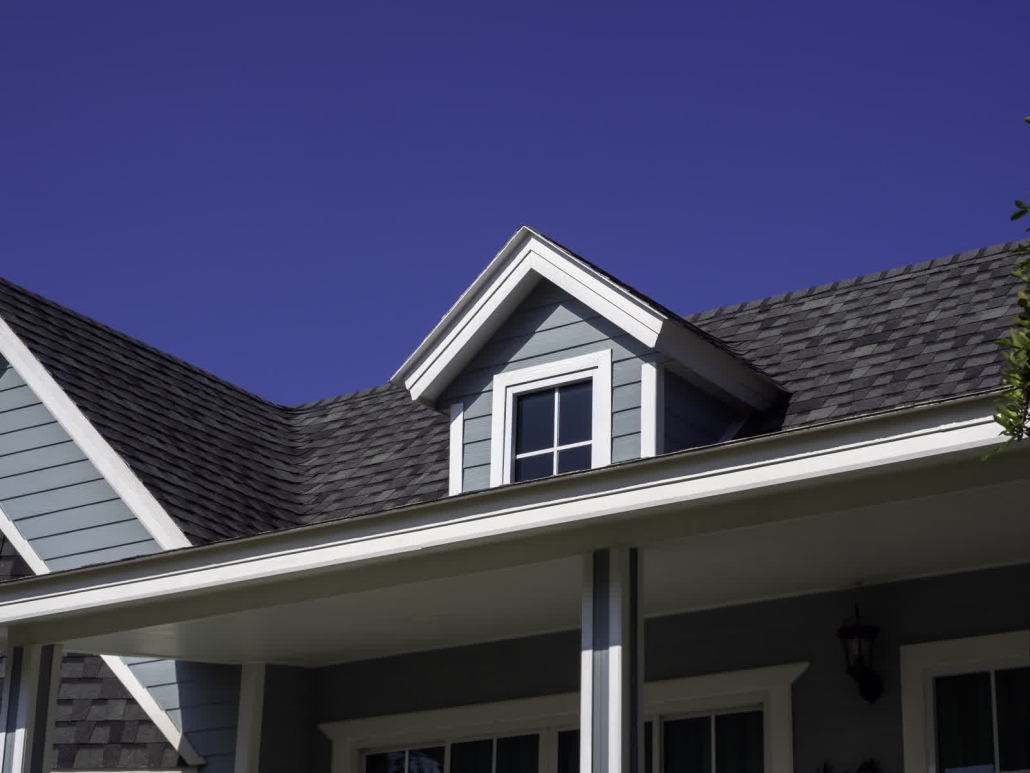
Replacing your roof is one of the most important investments you’ll make in your home. But let’s be honest, it’s not cheap. The price tag can be intimidating, and homeowners want to know the best way to pay for a quality roof.
The good news is that you have more options than you might think. From personal loans to payment plans and smart budgeting, here are several ways homeowners can finance a new roof without overspending.
Start With a Budget
Before exploring financing options, it helps to understand the full cost of your roof replacement. Prices can vary widely depending on the size of your home, the type of roofing material, and your region. On average, a new roof can cost anywhere from $7,000 to $15,000 or more.
Once you have a quote in hand, create a budget that outlines how much you can pay upfront and what portion, if any, you’ll need to finance. This helps you make informed decisions and avoid surprise expenses later.
Roofing Company Financing Programs
Many roofing contractors offer in-house financing or work with third-party lenders. These programs may include low monthly payments, 0% interest promotional periods, or extended repayment terms.
This is often one of the most convenient options because it bundles the financing directly with your roofing project. Just be sure to read the fine print, especially regarding interest rates after the promotional period ends.
Personal Loans
Unsecured personal loans are a popular way to pay for home improvement projects like roof replacements. You don’t need to use your home as collateral, and you can usually get approved quickly. Interest rates vary depending on your credit score and income, so it’s wise to compare offers from multiple lenders.
Home Equity Loans or HELOCs
If you have equity built up in your home, a home equity loan or home equity line of credit (HELOC) can provide access to low-interest funds. These options often come with longer repayment terms but do require using your home as collateral, which comes with added risk.
Credit Cards (With Caution)
In some cases, a credit card with a 0% APR promotion can help cover part of your roofing costs, especially for smaller projects. However, this should be used carefully and only if you have a clear plan to pay it off before interest kicks in.
Government Assistance or Insurance
If your roof was damaged by a storm or natural disaster, your homeowner’s insurance may cover part or all of the cost. In certain situations, government grants or low-interest loans may be available, especially for seniors or low-income homeowners.
Final Thoughts
There’s no one-size-fits-all approach to paying for a new roof. By comparing financing options, planning ahead, and exploring available assistance, you can make this necessary home improvement manageable.


