How to Pick the Best Roof for Your Home Based on Climate
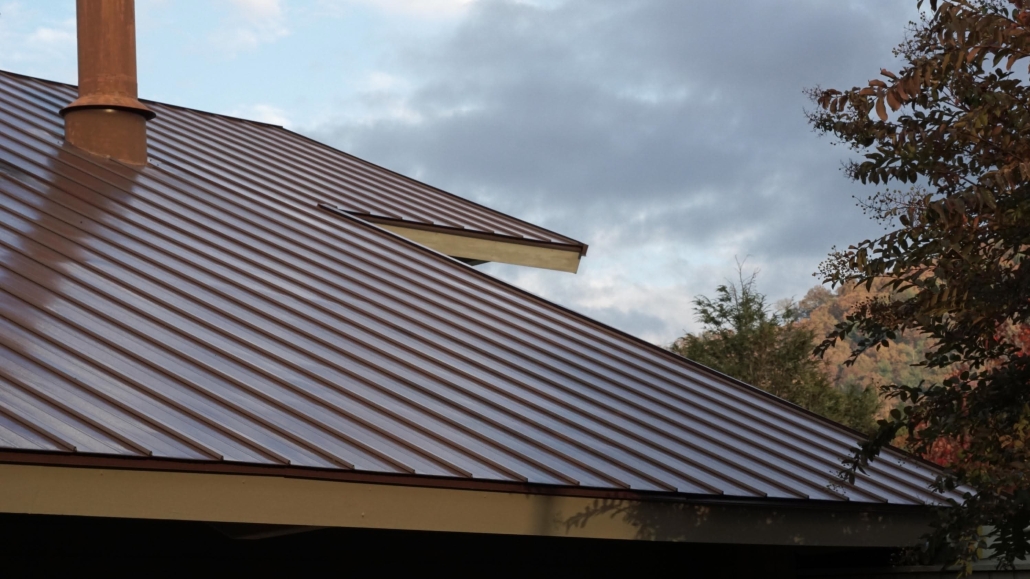
As climates vary based on season and location, it only makes sense that roofing material might change based on location and season as well. When considering roofing material, you’ll want to be sure to use material that is suitable for all climates based on your location.
Choosing the right roofing material for your home is essential to ensure durability, energy efficiency, and protection against the elements. Different climates pose unique challenges, from extreme heat and heavy snowfall to high humidity and strong winds. Selecting the best roofing material for your specific climate can extend your roof’s lifespan and save you money on repairs and energy costs. In this guide, we’ll explore the best roofing options for various climates and what to consider before making a decision.
Understanding Your Climate
Your local climate plays a significant role in determining the ideal roofing material for your home. Key factors to consider include:
- Temperature fluctuations – Extreme heat or cold can affect roofing materials differently.
- Rainfall and humidity – Moisture retention can lead to mold, mildew, and water damage.
- Wind and storms – Strong winds can tear off weak roofing materials.
- Snow and ice accumulation – Heavy snow loads can cause structural issues.
By choosing a roofing material suited to your region, you can enhance your home’s durability and efficiency.
Best Roofing Materials for Different Climates
Hot and Dry Climates (e.g., Southwest, Desert Regions)
- Best Materials: Clay tiles, concrete tiles, metal roofing
- Why? These materials reflect heat and withstand high temperatures without deteriorating quickly. Metal roofs and tiles also offer excellent durability and require minimal maintenance in arid conditions.
Cold and Snowy Climates (e.g., Midwest, Northern States)
- Best Materials: Metal roofing, asphalt shingles, slate tiles
- Why? Metal roofs are ideal for shedding snow and preventing ice dams, while asphalt and slate tiles provide excellent insulation and withstand freeze-thaw cycles.
Humid and Rainy Climates (e.g., Southeast, Coastal Regions)
- Best Materials: Metal roofing, asphalt shingles with algae resistance, slate tiles
- Why? These materials resist moisture, mold, and mildew, preventing premature deterioration. Metal roofing, in particular, is highly resistant to water damage.
Windy and Storm-Prone Climates (e.g., Hurricane-Prone Areas, Tornado Alley)
- Best Materials: Metal roofing, impact-resistant asphalt shingles, concrete tiles
- Why? Metal roofing and impact-resistant shingles provide superior wind resistance, preventing damage from strong storms and hurricanes.
Mild and Moderate Climates (e.g., Pacific Northwest, California)
- Best Materials: Asphalt shingles, wood shingles, metal roofing
- Why? These materials offer a balance of durability, aesthetic appeal, and cost-effectiveness, making them great choices for regions with moderate weather variations.
Energy Efficiency Considerations
Beyond durability, some roofing materials can help lower your energy bills. Cool roofing materials, such as metal with reflective coatings, solar shingles, and light-colored tiles, reduce heat absorption and keep your home cooler in warm climates. In colder regions, materials with high insulation properties, like slate and asphalt shingles, can help retain indoor heat.
Cost vs. Longevity: Making the Best Choice for Your Budget
- Asphalt Shingles – Affordable but may require more frequent replacements (lifespan: 20-30 years).
- Metal Roofing – Higher initial cost but lasts 40-70 years with low maintenance.
- Clay/Concrete Tiles – Expensive upfront but highly durable (lifespan: 50+ years).
- Slate Roofing – One of the longest-lasting materials (up to 100 years) but costly to install.
When choosing a roofing material, balance upfront costs with long-term savings on maintenance and energy efficiency.
Conclusion
The best way to know what roofing material works best for your home, client, and location is to know the options, and talk with a professional roofing company. Selecting the best roofing material for your climate ensures your home remains protected, energy-efficient, and cost-effective.


