Can You Put New Shingles Over an Old Roof?
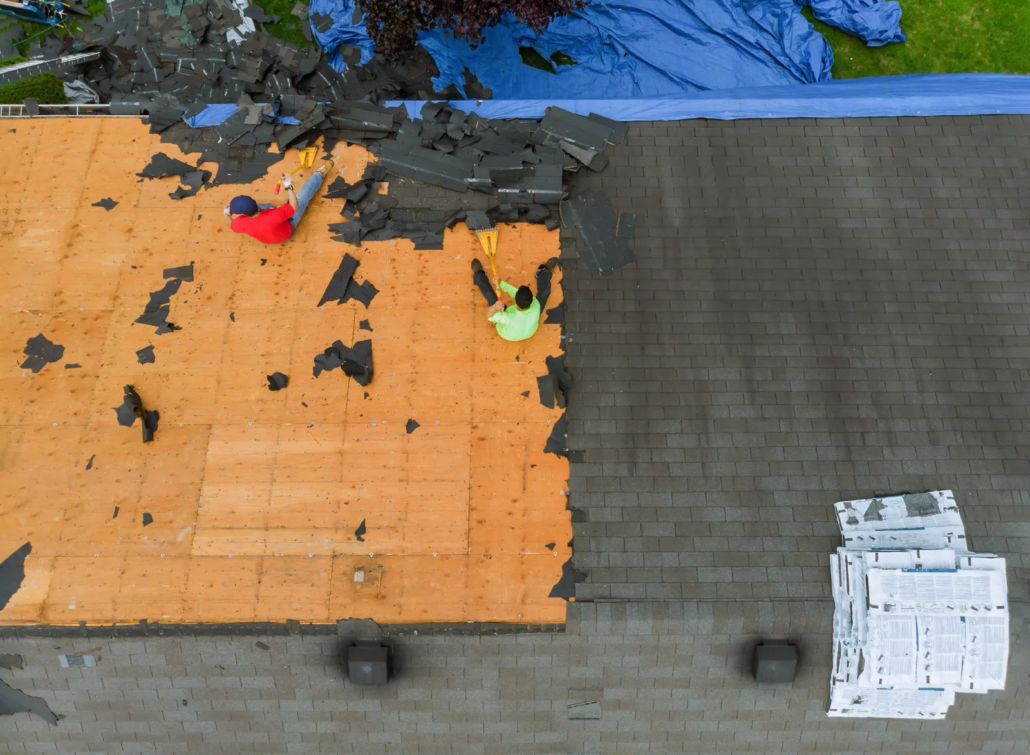
Tearing off an old roof adds time, labor, and disposal costs to a roofing project. So it’s understandable why homeowners ask whether the old shingles really need to come off.
In some situations, installing shingles over old shingles is possible. That doesn’t mean it’s always the best option.
Before choosing a roof overlay vs tear off, you need to know what’s underneath the existing shingles and what you give up by leaving them in place.
Can You Put a Second Layer of Shingles on a Roof?
Sometimes.
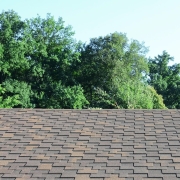
A second layer of shingles may be allowed when local codes permit it and the existing roof is flat, stable, and in suitable condition for another layer.
That last part matters.
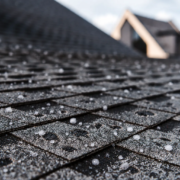
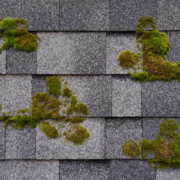
If existing shingles are badly curled, uneven, damaged, or hiding other roofing problems, covering them doesn’t repair what’s underneath.
A roofing contractor should evaluate the existing system before recommending an overlay.
Is an Overlay Cheaper Than a Tear-Off?
Usually, the upfront cost is lower because reroofing over the existing shingles avoids some tear-off labor and disposal.
But price shouldn’t be the only consideration.
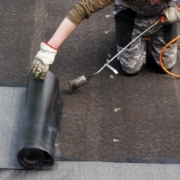
Removing the old shingles gives the contractor direct access to the roof decking. That makes it possible to identify rotted wood, hidden moisture damage, deteriorated flashing, or other problems that may otherwise remain covered.
If you’re investing in a new roof, knowing the condition of the structure underneath it has value.
Is It Better to Tear Off Old Shingles?
For many homes, a complete tear-off provides the cleanest starting point for a roof replacement.
It allows damaged decking to be repaired, flashing to be properly evaluated, and the new roofing system to be installed directly over a prepared surface.
There are also situations where an overlay simply isn’t appropriate. Multiple existing layers, extensive deterioration, structural concerns, or local building requirements can make removal necessary.
Does a Second Layer Affect the New Roof?
A second layer adds weight and may make the final roof surface less even.
It can also complicate future repairs because contractors have to work through multiple layers to reach the decking underneath.
That doesn’t make every overlay wrong. It simply means homeowners should understand what they’re choosing.
Ask What’s Under the Roof
When comparing estimates, don’t automatically assume the contractor offering shingles over old shingles is giving you a better deal because the number is lower.
Ask why an overlay is being recommended. Ask whether your roof has been inspected for signs of underlying damage. And ask what will happen if problems with the roof decking are discovered later.
A good roofing contractor should be able to explain the advantages and disadvantages of roof overlay vs tear off for your particular home.
The goal isn’t simply to install new shingles as cheaply as possible. It’s to choose a roofing system that makes sense for the condition of the house underneath them.