Why Some Roof Repairs Fail in Less Than Two Years
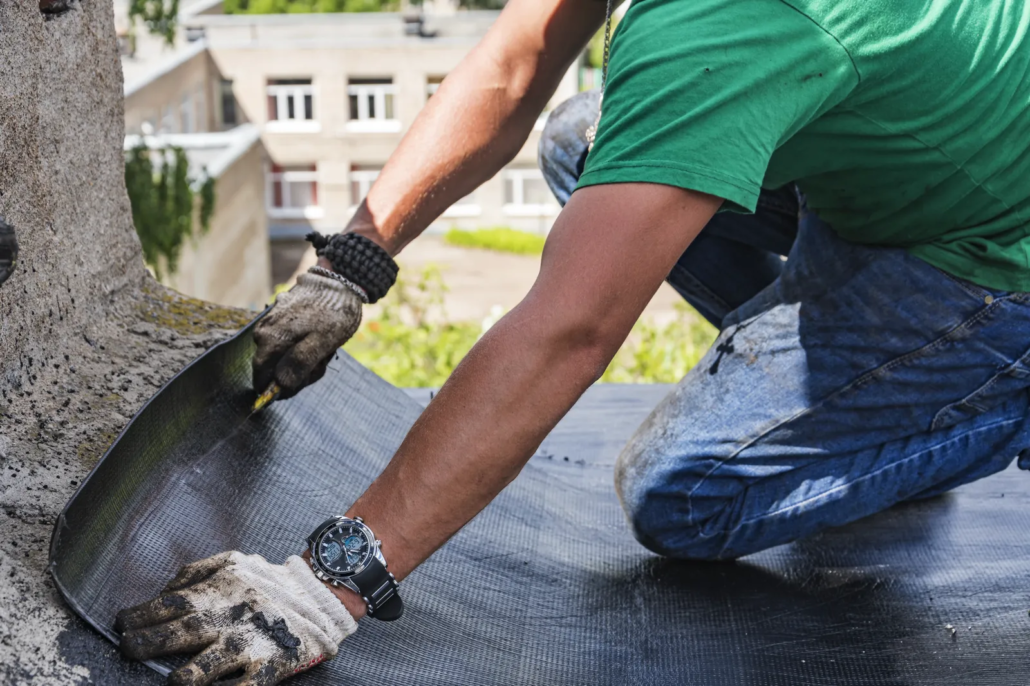
When a roof starts leaking, the first instinct for many homeowners or property managers is to fix the problem quickly. A repair can seem like the fastest and most affordable solution. However, some repairs fail far sooner than expected. In many cases, a roof repair failure situation can occur within just a year or two. Understanding why this happens can help you make better decisions about whether to repair or replace your roof.
When Repairs Only Treat the Symptoms
One of the most common bad roof repair causes is addressing the visible problem without identifying the actual source. Water rarely travels straight down from the entry point. A leak in one room may originate several feet away on the roof surface.
When the underlying issue isn’t found, the result is often recurring roof leaks. The patch might seal the area where the water appeared inside the building, but the true entry point remains exposed. Over time, water finds its way back through the system.
The Problem with Quick Fixes
In some situations, contractors apply temporary roof repairs as a short-term solution. These might involve sealants, patches, or coatings designed to stop an immediate leak. While temporary fixes can be helpful during emergencies, they are not always meant to last for years.
When building owners assume these quick fixes are permanent, disappointment often follows. This is one of the main reasons why roof repairs don’t last as long as expected.
Material Compatibility Matters
Another factor that contributes to roof patch failure is the use of materials that don’t properly bond with the existing roofing system. Different roof membranes require specific repair techniques and products.
For example, applying generic sealant to a specialized roofing membrane may stop a leak briefly but fail as the roof expands and contracts with temperature changes. Without the correct materials and installation methods, the repair may break down quickly.
Aging Roof Systems
Even well-executed repairs have limitations when the roof itself is nearing the end of its service life. An aging roof may have multiple weak points, brittle materials, or worn flashing details.
In these situations, the roof repair lifespan becomes shorter because the surrounding materials continue to deteriorate. Fixing one section may simply reveal the next problem area.
Knowing When Replacement Makes More Sense
Sometimes the real solution is not another patch. Recognizing the roof repair vs replacement signs can save time and money in the long run. If leaks keep returning, if repairs are becoming frequent, or if the roof is approaching the end of its expected life, replacement may be the better investment.
A professional inspection can help determine whether the roof structure is still healthy enough to support repairs or if the system is simply too worn to maintain.
Final Thoughts
A failed repair can be frustrating, especially when it happens shortly after the work is completed. But most early failures have identifiable causes. From temporary roof repairs to overlooked bad roof repair causes, the problem often lies in diagnosis rather than effort.
By understanding the true roof repair lifespan and watching for roof repair vs replacement signs, property owners can make smarter decisions and avoid the cycle of recurring roof leaks that leads to repeated costs.

