The Legal Risks of Flat Roof Neglect in Commercial Properties
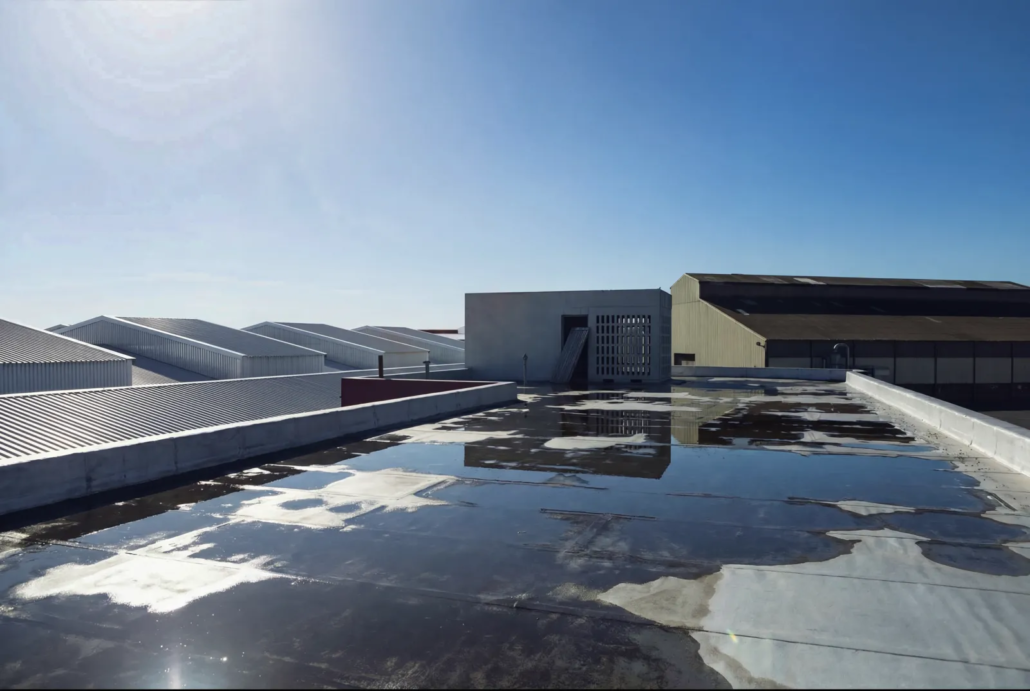
Flat roofs are common in commercial buildings for their simplicity and cost-effectiveness. But when poorly maintained or ignored, they can quickly become a major risk—both legally and financially. Understanding the implications of commercial roof liability is crucial for property owners, facility managers, and investors looking to mitigate loss and stay in compliance.
The Hidden Dangers of Flat Roof Failure
A flat roof may appear harmless from the street, but beneath the surface, trouble can build quietly. Ponding water, membrane deterioration, blocked drainage, and structural wear all increase the risk of failure. When issues are left unaddressed, they can result in significant flat roof failure liability, including interior damage, mold, slip hazards, or tenant disruptions.
In many cases, damage from neglect becomes a legal issue. Property owners can be held accountable for injuries or damages stemming from a leaking or unsafe roof. The concept of roof leak liability commercial building claims is often misunderstood until an incident occurs. Courts may find owners liable for negligence if they failed to uphold basic maintenance responsibilities.
Insurance Doesn’t Always Cover It
Many owners assume insurance will cover roof-related problems. However, policies often exclude damage caused by deferred maintenance. This is where insurance claims flat roof failure can be denied—sometimes leaving building owners with massive out-of-pocket expenses.
One of the top insurance denied roof claim causes is evidence of prior damage or neglect. Without regular documentation of inspections, repairs, or preventive measures, insurers may argue the issue was avoidable.
Legal Responsibility and Compliance
From a legal perspective, roof maintenance legal responsibility falls squarely on the building owner or manager. Flat roofs require routine inspections, especially after storms or seasonal changes. Skipping these steps can be seen as negligence, which increases commercial roof negligence risk in the event of tenant complaints or legal action.
In addition to liability, failing to meet local codes and OSHA guidelines can result in citations or fines. Commercial roof safety compliance isn’t just about having the right guardrails or signage—it’s also about keeping the roof structure sound and water-tight.
Protecting Against Risk
Proactive planning is the best form of flat roof risk management. This includes:
- Scheduling semi-annual inspections
- Addressing minor issues before they escalate
- Keeping detailed records of maintenance
- Working with certified roofing professionals
These steps not only reduce the chance of legal or insurance headaches but also improve overall property value and tenant satisfaction.
Final Thoughts
A flat roof doesn’t have to be a liability—but it often becomes one when ignored. Protect your investment by understanding your obligations, complying with safety standards, and taking preventive action. From avoiding roof-related property damage claims to securing valid insurance coverage, smart ownership starts at the top.


