Commercial Roofing Solutions: What System to Choose and What Roofing Material to Use
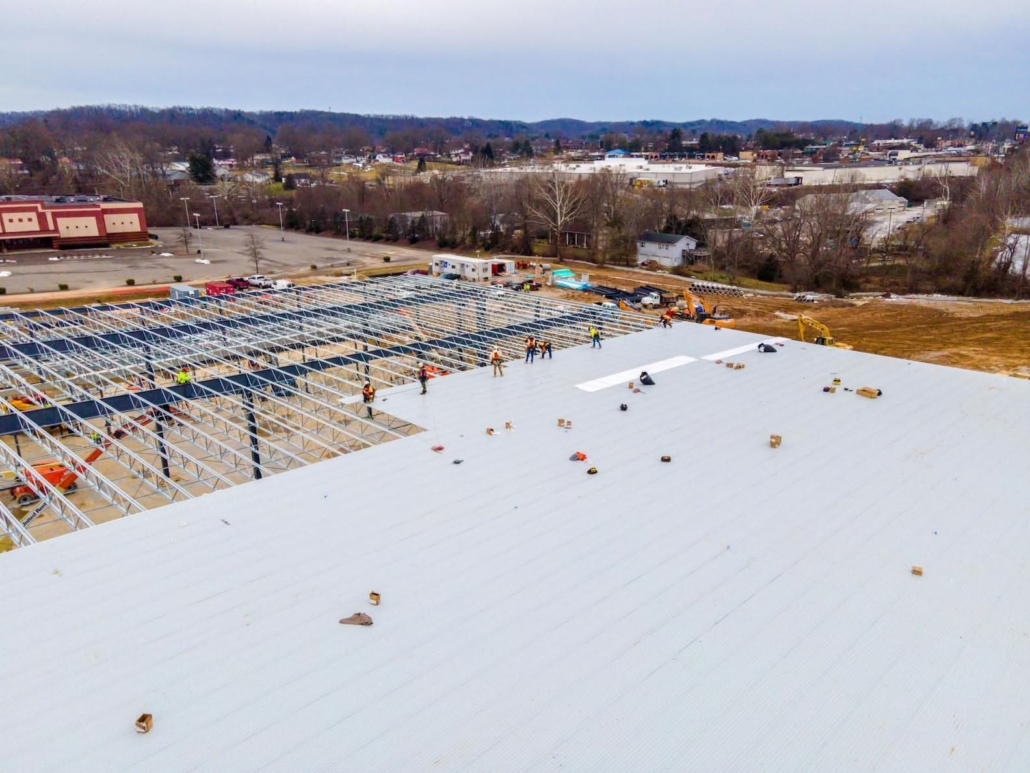
Choosing the right commercial roofing system is a crucial decision that impacts the durability, efficiency, and overall cost of maintaining your building. With so many options available, selecting the best roofing material requires considering factors like climate, structure, and business operations.
Factors to Consider When Choosing a Commercial Roof
1. Building Structure
The design of your building, whether it has a flat or sloped roof, influences which roofing materials are most suitable. Flat roofs often require membrane roofing systems, while sloped roofs can accommodate metal or shingle materials.
2. Climate & Weather Conditions
The local climate plays a significant role in choosing the right roofing material. Some materials handle extreme heat, cold, or heavy precipitation better than others. For example, TPO and PVC roofs reflect heat, making them ideal for warmer climates, while EPDM offers flexibility in colder regions.
3. Durability & Lifespan
Some commercial roofing materials last longer than others but may come with a higher upfront cost. Understanding the lifespan of different materials can help you make a long-term investment.
4. Energy Efficiency
Reflective and insulated roofing materials can help lower cooling and heating costs, improving your building’s overall energy efficiency.
5. Maintenance Requirements
Certain roofing materials require frequent inspections and repairs, while others need minimal maintenance. Choosing a roofing system that aligns with your maintenance capacity can prevent long-term issues.
Once you’ve considered all the factors, the next step is to explore types of commercial roofing systems to see what is a good fit. Here is a list of common types of commercial roofing systems.
Common Types of Commercial Roofing Systems
1. TPO (Thermoplastic Polyolefin)
TPO is an affordable, energy-efficient roofing material known for its resistance to UV rays and chemicals. It is lightweight and easy to install, making it a popular choice for businesses looking to save on energy costs.
- Best for: Budget-conscious businesses in hot climates.
2. EPDM (Ethylene Propylene Diene Monomer)
This durable rubber roofing material provides excellent resistance to extreme weather conditions, including heat, cold, and moisture.
- Best for: Buildings in extreme climates needing flexible, weather-resistant roofing.
3. PVC (Polyvinyl Chloride)
PVC roofing is strong, fire-resistant, and highly resistant to chemicals and moisture. It is a great option for businesses exposed to grease or industrial chemicals.
- Best for: Restaurants, industrial facilities, and buildings with chemical exposure.
4. Metal Roofing
Metal roofs have a long lifespan and are highly durable, fire-resistant, and low maintenance. While the initial cost is higher, their longevity makes them cost-effective.
- Best for: Warehouses, manufacturing plants, and buildings requiring long-term durability.
5. Built-Up Roofing (BUR)
BUR consists of multiple layers that provide excellent waterproofing and protection. It is a traditional option known for its durability.
- Best for: High-traffic roofs that require strong protection against heavy foot traffic and extreme weather.
6. Modified Bitumen
This roofing system is highly flexible and impact-resistant, making it ideal for buildings that require frequent rooftop maintenance.
- Best for: Buildings with frequent maintenance access or those needing enhanced durability.
Now that all the options have been explored, it’s time to choose the option that works best for your business and building. When selecting a commercial roof, assess your business needs in terms of durability, energy efficiency, and cost. Consulting a professional roofing contractor can help you evaluate which material best suits your building’s structure and location. Investing in a high-quality roof can save you money on maintenance and energy costs in the long run.
Get Expert Advice for Your Commercial Roofing Needs
Selecting the right commercial roofing material ensures your building remains protected, energy-efficient, and cost-effective. Whether you prioritize durability, insulation, or affordability, there is a roofing option to fit your needs. Contact a professional roofing contractor today to schedule an assessment and get expert recommendations on the best roofing solution for your business.


