Residential Roof Leak: Essential Steps for Homeowners
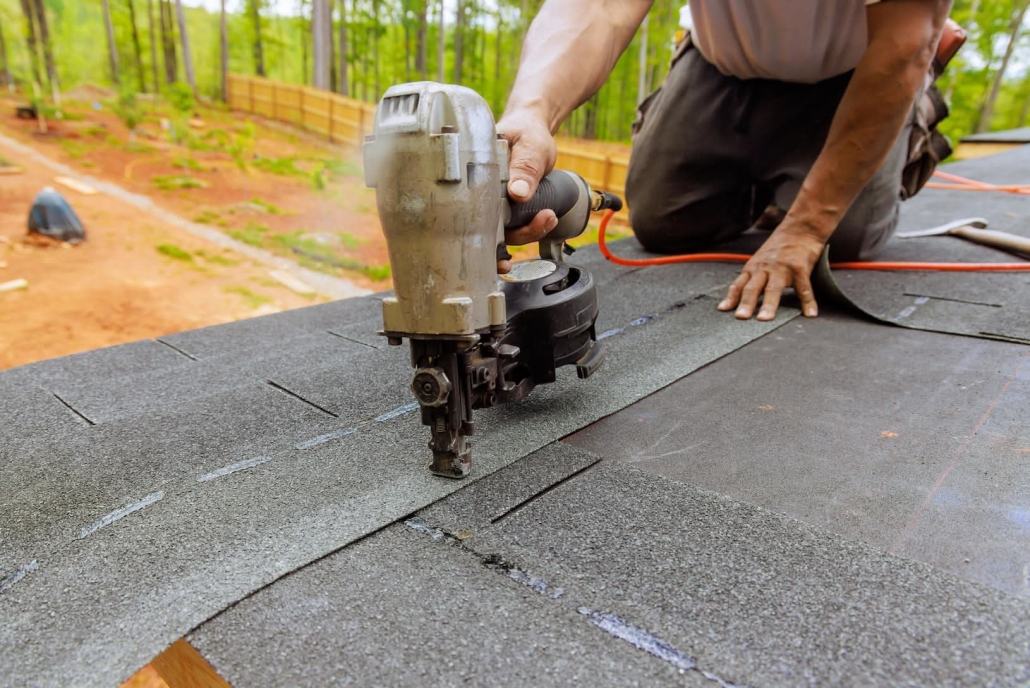
A roof leak is every homeowner’s worst nightmare. Not only is it inconvenient, but it can lead to costly water damage, mold growth, and structural issues if left unchecked. Whether you notice water stains on your ceiling, peeling paint, or dripping water in your attic, taking immediate action is crucial. In this guide, we’ll walk you through the essential steps for roof leak repair, from identifying the issue to hiring a professional for long-term solutions.
Steps to Take When You Notice a Roof Leak
1. Identify the Source of the Leak
Finding the source of a roof leak can be tricky since water often travels before it becomes visible. Look for these common signs of roof leak detection:
- Water stains on ceilings or walls.
- Damp or moldy insulation in the attic.
- Missing, cracked, or curled shingles on the roof.
- Clogged gutters and downspouts that cause water buildup.
If it’s safe, inspect your roof and attic to pinpoint the leak source. However, if you’re unsure, contact a roofing contractor near you for a professional inspection.
2. Contain the Water Damage
Once you’ve noticed a leaky roof, take immediate action to minimize water damage. Here are a few tips:
- Place buckets or containers under the leak to collect water.
- Use towels and plastic sheeting to protect furniture and flooring.
- If possible, poke a small hole in the ceiling stain to release pooled water and prevent collapse.
If at any time you are unsure that the actions you are taking are safe, or will damage your roof more, contact a professional roofing company.
3. Perform Temporary Repairs (If Safe to Do So)
If the leak is manageable and the weather is clear, you can attempt temporary roof leak repair:
- Use roofing tape or sealant to patch small cracks.
- Place a waterproof tarp over damaged areas to prevent further leakage.
- Avoid climbing on the roof during bad weather or without proper safety equipment.
For major leaks, it’s best to call an emergency roof repair service immediately.
4. Contact a Professional Roofing Contractor
DIY fixes are only temporary. For a long-lasting solution, hire a licensed and insured roofing contractor. A professional will:
- Conduct a thorough roof damage repair assessment.
- Provide an estimate for residential roof repair costs.
- Offer recommendations for leaky roof solutions, such as shingle replacement or flashing repair.
Here are a Few Key Questions to Ask a Roofing Contractor:
- How soon can you repair the roof leak?
- Do you provide emergency roof repair services?
- What warranties do you offer on materials and labor?
- Can you inspect for additional water damage from roof leaks?
5. Prevent Future Roof Leaks
Taking proactive steps can prevent future roof leaks and extend the life of your roof:
- Schedule regular roof inspections and maintenance.
- Clean gutters and downspouts to avoid water buildup.
- Replace damaged shingles and flashing promptly.
- Improve attic insulation and ventilation to prevent condensation.
Conclusion
A roof leak can escalate quickly if not addressed, leading to serious water damage and costly repairs. By acting fast—identifying the source, containing water, making temporary fixes, and calling a professional roofing contractor—you can minimize damage and restore your home’s protection.
Notice a leak in your roof? Don’t wait until the damage gets worse! Contact a trusted roofing contractor today for expert roof leak repair services.


