Deferred Flat Roof Maintenance and Its True Cost on CRE Valuation
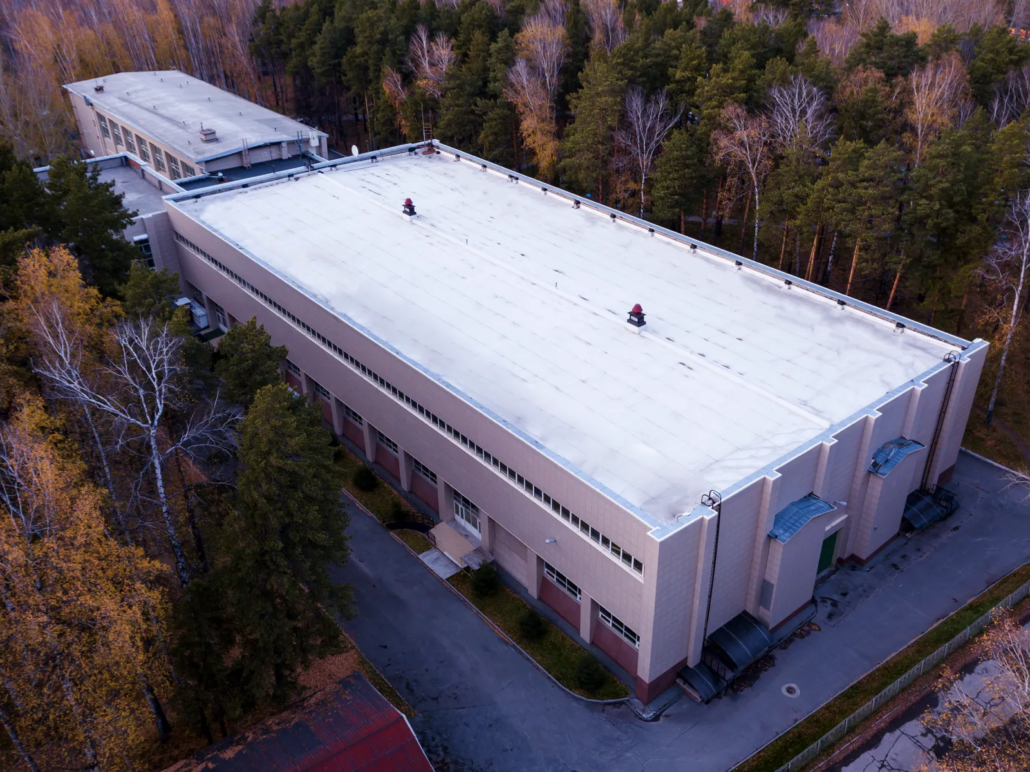
In commercial real estate, it’s easy to overlook a building’s roof—until there’s a problem. But the condition of a flat commercial roof isn’t just a maintenance issue. It’s a financial variable that can significantly affect a property’s market value, buyer perception, and investment performance. Ignoring commercial roof deferred maintenance—especially on flat roofing systems—can lead to serious consequences for investors and property managers alike.
Flat Roof Condition and Cap Rates
One of the more subtle but impactful links is between roof condition and cap rate. Deferred maintenance on flat commercial roofs suggests risk to potential buyers, and that risk is often priced into the deal through higher cap rates. A deteriorating roof implies higher future expenses, lowering net operating income (NOI) expectations—and that directly impacts valuation.
In a buyer’s due diligence phase, a poor flat roof report can result in price adjustments, renegotiation, or deal termination. That’s why roof condition due diligence—particularly for flat roofs—is essential. Lenders, appraisers, and buyers are all factoring it in.
The Impact on NOI and Reserve Planning
The NOI impact of roof condition is twofold: it affects operating expenses now and creates a looming capital expense later. Flat roofs that leak, pond water, or lose insulation efficiency increase current costs, while known replacement timelines demand long-term budgeting. These concerns often trigger a roof replacement reserve analysis, where buyers and underwriters estimate the capital needed over the investment horizon.
If a flat roof has five years left, investors will discount that cost into their pricing models. In short, capital expenditure risk roofing becomes a quantifiable line item in the valuation process.
Valuation and Marketability of Flat Roof Assets
From a valuation standpoint, commercial roof property value—especially with flat roofs—is affected both by actual costs and perceived risks. Even if the roof is currently functional, signs of neglect send red flags. Flat roofs, when not maintained, are more prone to water intrusion and insulation failure. Buyers worry about water damage, insurance complications, tenant dissatisfaction, and more. These concerns reduce offer strength.
This is why the deferred maintenance impact on cap rate is more than a theory, it plays out in lower offers and higher lender scrutiny.
Flat Roof Risk in CRE Transactions
Commercial real estate deferred maintenance risk is amplified in flat roofing systems. Sellers hoping to achieve top dollar may fall short if major systems like flat roofs are flagged as problems. For value-add investors, this could mean a stronger negotiating position—but also a higher risk profile.
Factoring in the roof maintenance impact on valuation early allows both buyers and sellers to price assets accurately and avoid surprises at the closing table.
Final Thoughts
Ignoring flat roof maintenance isn’t just a short-term liability—it’s a long-term threat to asset value. By recognizing the role of commercial roof property value and integrating it into cap rate discussions, investors and owners can make better-informed decisions. Budgeting for necessary flat roof repairs and replacements shows professionalism and transparency, both of which are rewarded in competitive markets.


