What Home Inspectors Really Look for on Roofs
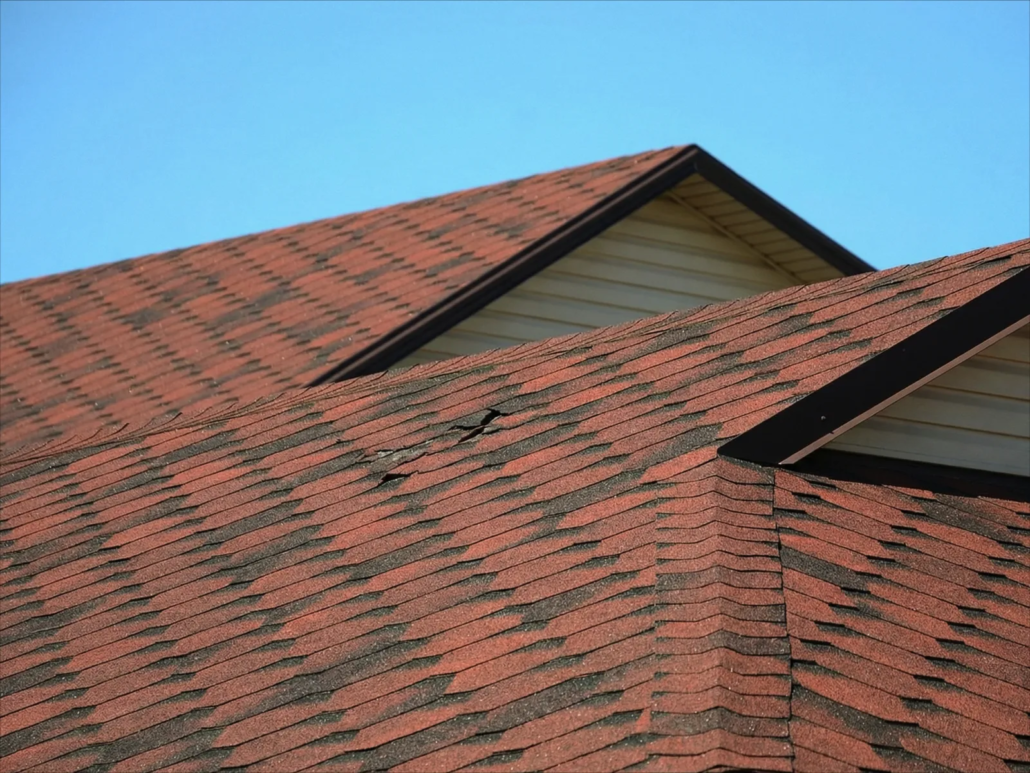
If you’re buying or selling a home, the roof is almost guaranteed to be part of the conversation. It’s one of the most expensive components of a house, and it plays a major role in negotiations. But there’s often confusion about what inspectors actually evaluate. Understanding common home inspection roof issues can help both buyers and sellers prepare properly.
What Inspectors Typically Look For
During a standard home inspection, the roof is reviewed from the ground, from a ladder, or occasionally from the surface if it’s safe to walk on. Inspectors focus on visible concerns. When people ask, “what inspectors look for roof problems?” the answer usually includes missing shingles, curling edges, sagging areas, flashing gaps, and signs of active leaks.
Common roof problems during home inspection include deteriorated shingles, damaged vent boots, clogged gutters, and visible water stains in the attic. If these are significant enough, they may be labeled as roof issues that fail inspection or flagged as requiring repair before closing.
Inspectors also reference a general home inspector roof checklist, which typically covers shingles, flashing, chimneys, skylights, drainage, and attic ventilation. The goal isn’t to perform a deep technical analysis, but rather to identify obvious red flags that could impact safety or structure.
What Often Gets Missed
While inspectors are thorough within their scope, a roof inspection vs roofing inspection is not the same thing. A licensed roofing contractor conducts a much more detailed assessment. They may lift shingles, check underlayment, evaluate sealant conditions, and test moisture levels—things a general home inspector typically does not do.
Some roof defects home sale negotiations uncover later were not fully visible during the initial inspection. Subtle membrane separation, aging flashing beneath shingles, or small punctures may not show obvious symptoms yet. These issues can surface months after closing.
Additionally, inspectors may not determine the remaining lifespan of a roof with precision. They can estimate age and visible wear, but a detailed roof condition report from a roofing professional provides a clearer understanding of longevity and potential future costs.
Why This Matters for Buyers and Sellers
For sellers, preparing for potential home inspection roof issues means addressing minor repairs in advance. Replacing a few damaged shingles or resealing flashing can prevent bigger questions during negotiations.
For buyers, understanding the difference between roof inspection vs roofing inspection can protect your investment. If the general inspection notes wear or uncertainty, it’s wise to request a contractor evaluation before finalizing the purchase.
Final Thoughts
A home inspector plays an important role in identifying visible roof problems during home inspection, but their review has limits. They flag safety concerns, visible deterioration, and obvious leaks. However, deeper issues may require a specialist’s eye.
Whether you’re buying or selling, knowing what inspectors flag—and what they might miss—can help you approach the process with confidence. A thorough roof condition report from a qualified roofer adds clarity and can prevent costly surprises after closing.


