Flat Roof Risk Management: Protecting Your Property from Liability
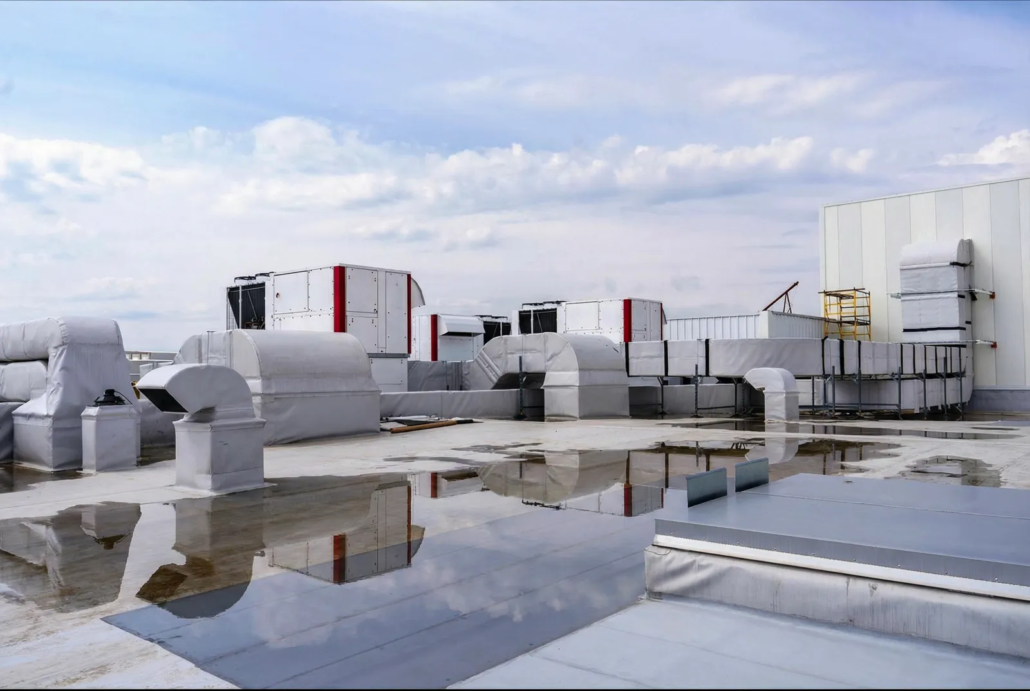
Flat roofs are common on commercial buildings for practical reasons. They’re cost-effective, easier to access for HVAC systems, and often simpler to install. But when maintenance is delayed or warning signs are ignored, a flat roof can quickly shift from asset to exposure. Understanding commercial roof liability is essential for owners, property managers, and investors who want to reduce risk and stay compliant.
How Small Issues Turn Into Legal Problems
Flat roofs are especially vulnerable to ponding water, membrane punctures, and flashing failure. When those problems go unchecked, they can lead to interior leaks, ceiling collapses, mold growth, and even slip hazards for tenants. That’s where flat roof failure liability comes into play.
If a tenant’s inventory is damaged or a customer is injured due to water intrusion, the owner may face roof leak liability commercial building claims. Courts often examine whether the owner acted reasonably in maintaining the property. If inspections were skipped or known issues ignored, that can strengthen the case for negligence.
This is why documentation matters. Routine inspections and written maintenance records are often the difference between defensible ownership and exposure to commercial roof negligence risk.
Insurance Isn’t a Safety Net for Neglect
Many building owners assume insurance will step in no matter what. Unfortunately, that’s not always the case. Insurance claims flat roof failure are frequently denied when carriers determine that damage resulted from poor upkeep rather than a sudden event.
Among the most common insurance denied roof claim causes are long-term water intrusion, aging membranes past their service life, and failure to repair known deficiencies. Without proof of proper upkeep, insurers may argue the owner failed to meet their roof maintenance legal responsibility.
That denial doesn’t just mean a repair bill. It can also open the door to roof-related property damage claims from tenants who suffered business interruption or property loss.
Compliance and Safety Considerations
Flat roofs also carry compliance obligations. Guardrails, drainage systems, load limits, and structural integrity all fall under commercial roof safety compliance standards. Ignoring these requirements increases liability, especially if an accident occurs during maintenance or equipment servicing.
From a broader perspective, strong flat roof risk management means more than patching leaks. It includes scheduled inspections, preventative maintenance programs, and clear communication with tenants about repairs and timelines.
Practical Risk Management Steps
To reduce exposure:
- Schedule biannual roof inspections and after major storms
- Address minor membrane or flashing issues immediately
- Keep detailed maintenance and repair logs
- Budget for planned replacements rather than waiting for failure
These steps demonstrate diligence and significantly reduce commercial roof liability exposure. They also strengthen your position if an insurance dispute arises.
Final Thoughts
A flat roof does not become a liability overnight. Problems build slowly, often out of sight, until one day they are impossible to ignore. By understanding roof maintenance legal responsibility, staying ahead of commercial roof negligence risk, and committing to proactive flat roof risk management, property owners can protect both their buildings and their balance sheets.


