TPO vs. EPDM Roofing: Which Is Better for a Commercial Building?
Commercial roofing comes with its own alphabet. TPO. EPDM. PVC. BUR.
If you own or manage a commercial property and are suddenly responsible for a roofing decision, those letters don’t tell you much. Two of the options you’re especially likely to encounter are TPO and EPDM.
So, when comparing TPO vs EPDM roofing, which one should you choose?
There isn’t a universal winner. The better roof depends on the building, budget, climate, existing roofing system, and what you expect from the roof over its service life.
What Is the Difference Between TPO and EPDM Roofing?
Both materials are widely used in commercial flat roofing, but they aren’t made or installed the same way.
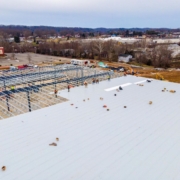
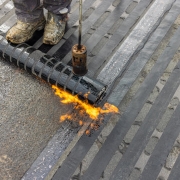
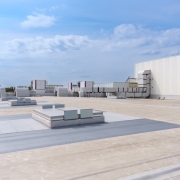
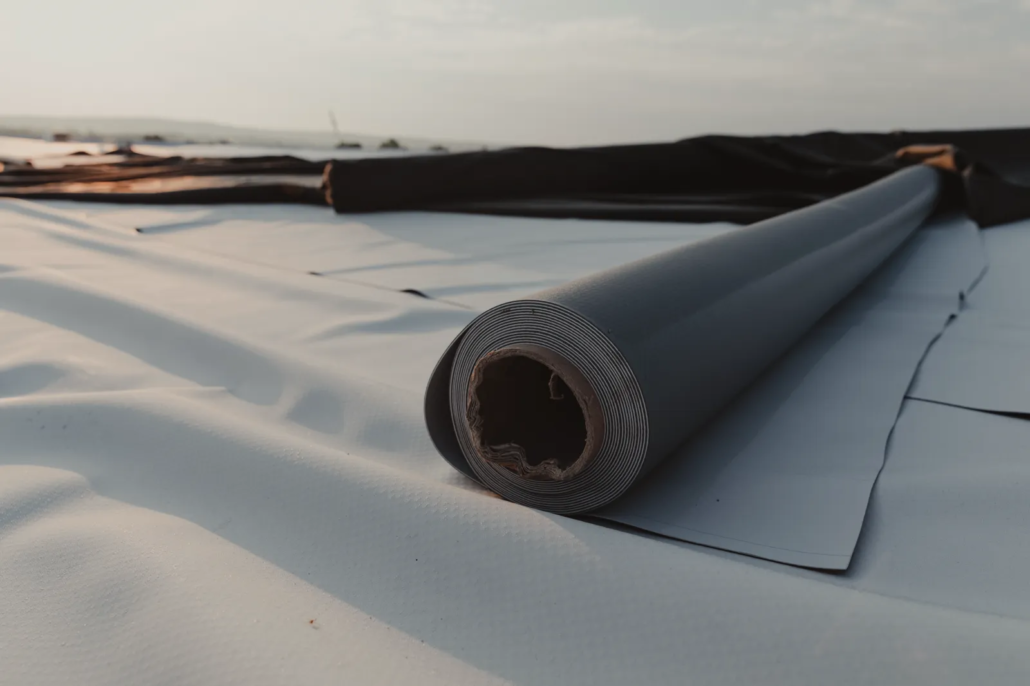
TPO roofing is a thermoplastic single-ply membrane. Its seams are joined using heat-welding equipment. White TPO is also highly reflective, which can help reduce rooftop temperatures.
EPDM roofing is a synthetic rubber membrane with a long history in low-slope commercial roofing. It is known for flexibility, weather resistance, and the ability to handle expansion and contraction. EPDM systems have been used on commercial buildings for decades.
Those differences affect installation, maintenance, repairs, and how each system performs under different conditions.
Is TPO or EPDM Better?
This is where building owners should be cautious about simple answers.
A commercial roofing company should look at the building before recommending either system.
TPO may appeal to owners looking for a light-colored reflective roof and heat-welded seams. EPDM may be attractive when flexibility, durability, and a long performance history are priorities.
The existing roof matters too. So do insulation, drainage, rooftop equipment, foot traffic, and the way the building is used.
Choosing a material based only on the lowest bid can create problems later.
Which Roof Is Better for Wisconsin Weather?
Wisconsin commercial roofs deal with cold winters, summer heat, snow, hail, and repeated temperature changes.
That makes proper system design just as important as membrane choice. Insulation, drainage, installation quality, flashing details, and ongoing maintenance all influence how long a commercial roof performs.
An experienced commercial roofing contractor should consider those factors before recommending either TPO or EPDM.
How Long Do TPO and EPDM Roofs Last?
There is no guaranteed lifespan for either material.
Roof life varies based on membrane thickness, installation, exposure, maintenance, drainage, and other building-specific conditions. Current manufacturer guidance likewise emphasizes that commercial roof life varies significantly according to the roofing system and conditions surrounding it.
Regular inspections matter regardless of which material you select.
What Should Building Owners Ask Before Choosing?
Before approving a commercial roof replacement or new commercial roof installation, ask why one system is being recommended over another.
What works well on a warehouse may not be the best choice for a restaurant, retail building, office, or manufacturing facility.
The real question isn’t simply whether TPO or EPDM is “better.” It’s which roofing system makes the most sense for your building.
A qualified commercial roofing company should be able to explain that choice clearly, including expected maintenance, warranty options, repairability, and long-term costs.