The Most Common Commercial Roofing Problems (and How to Prevent Them)
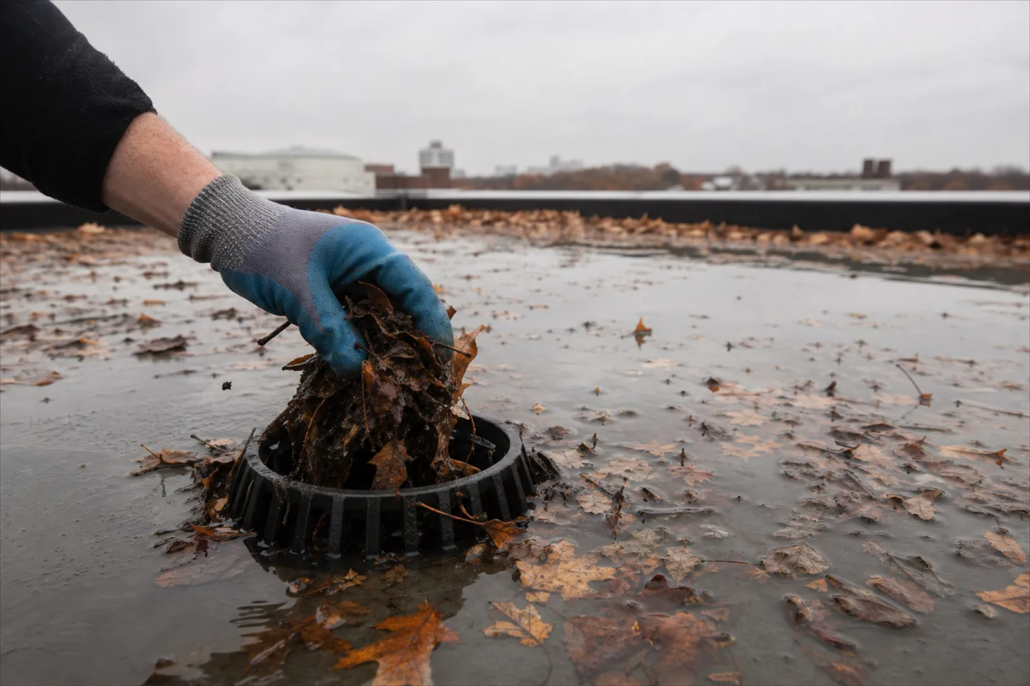
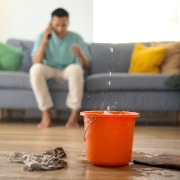
Commercial roofing problems usually don’t begin with a dramatic failure. More often, they start with something easy to miss: a slow drain, a weakened seam, a small puncture near rooftop equipment, or water collecting where it shouldn’t. Left alone, those issues can spread into insulation, decking, and interior spaces before anyone realizes how serious they’ve become.
For building owners and property managers, understanding the warning signs matters. Timely commercial roof repair, regular commercial roof inspection, and consistent commercial roof maintenance can prevent a minor issue from turning into a costly disruption.
What Causes Commercial Roofs to Fail?
One of the most common questions building owners ask is, “What causes commercial roofs to fail?”
The answer is usually a combination of age, weather, deferred maintenance, and small problems that were never addressed. Rarely does a commercial roof fail because of one dramatic event. More often, minor issues build on each other until a leak or structural problem forces action.
This is why regular commercial roof repair is often less expensive than waiting for a full roof replacement.
What Are the Most Common Commercial Roofing Problems?
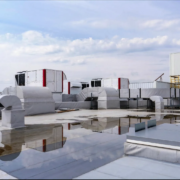
Standing water is one of the leading causes of damage on flat and low-slope roofs. Poor drainage allows moisture to remain on the roof long after a storm, gradually breaking down roofing membranes and increasing the risk of leaks.
Other common issues include:
- Damaged flashing around rooftop equipment
- Membrane punctures caused by maintenance traffic
- Shrinking roofing materials
- Clogged drains and gutters
- Seam separation
- Wind damage
- Aging sealants around penetrations
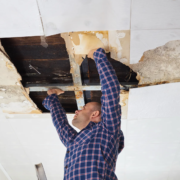
Many of these problems begin small. Without timely commercial roof repair, however, they can spread beneath the roofing system and damage insulation, decking, or interior finishes.
How Often Should a Commercial Roof Be Inspected?
Most roofing professionals recommend scheduling a commercial roof inspection at least twice each year—typically in the spring and fall. Additional inspections should also take place after severe storms, hail events, or unusually high winds.
Routine inspections help identify developing issues before they interrupt business operations. They also create a documented maintenance history, which may be helpful for warranty claims or long-term capital planning.
Can These Problems Be Repaired?
In many cases, yes.
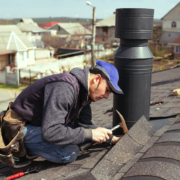
Prompt commercial roof repair can resolve damaged flashing, isolated membrane failures, drainage issues, or minor punctures without requiring a complete replacement. The key is catching problems early.
However, when repairs become frequent or leaks continue returning, a qualified commercial roofing contractor may recommend evaluating whether the roof has reached the end of its useful life.
How Can Building Owners Prevent Expensive Repairs?
Preventive care remains the most cost-effective approach.
Consistent commercial roof maintenance includes clearing drains, removing debris, checking rooftop equipment, inspecting flashing, and repairing minor damage before it expands.
Working with an experienced commercial roofing company allows property owners to establish a maintenance schedule instead of reacting only after leaks appear.
When Should You Call a Commercial Roofing Company?
Don’t wait until water is dripping into the building.
If you notice ponding water, loose flashing, bubbling membranes, recurring leaks, or visible storm damage, it’s time to contact a commercial roofing company. Even if the roof appears functional, hidden moisture may already be affecting insulation or decking.
An experienced commercial roofing contractor can determine whether simple commercial roof repair is sufficient or whether a larger restoration plan should be considered.
Final Thoughts
Commercial roofs rarely fail without warning. Small issues often provide plenty of clues if someone knows where to look. Regular commercial roof inspection, ongoing commercial roof maintenance, and timely commercial roof repair help extend roof life, reduce operating costs, and prevent unexpected disruptions.
Waiting is almost always the most expensive option. Building owners who invest in preventive maintenance today often avoid much larger roofing expenses tomorrow.