Best Commercial Roofing Materials for Every Climate
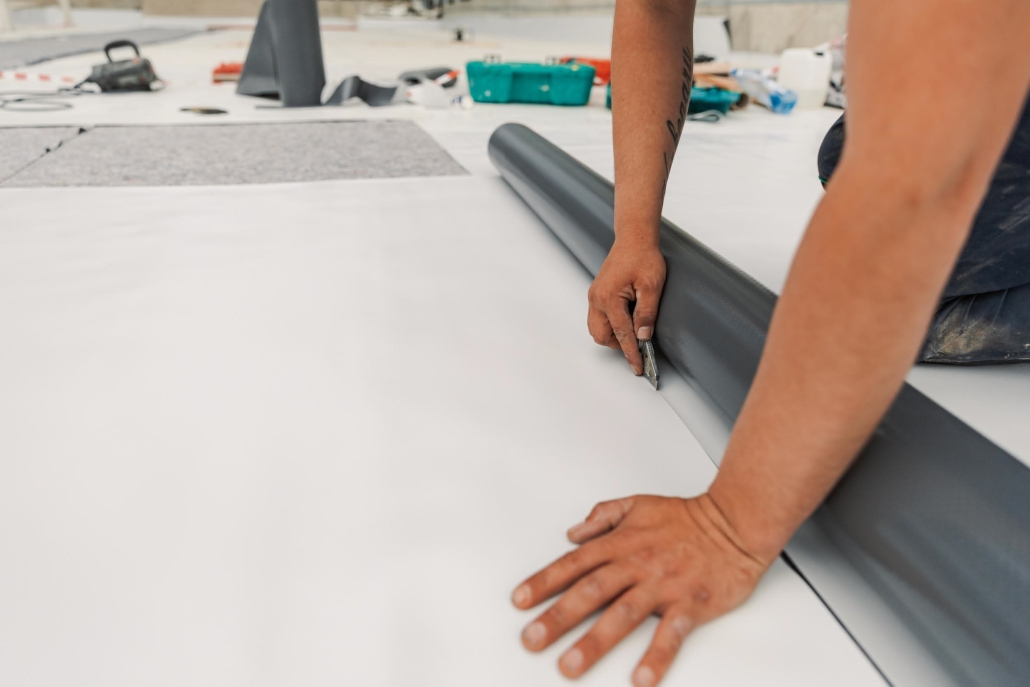
Choosing the right roofing material for your commercial building is crucial for long-term durability, energy efficiency, and cost-effectiveness. Climate plays a major role in determining which commercial roofing materials will perform best in your area. The wrong choice can lead to excessive maintenance, energy loss, and even structural damage over time. In this guide, we’ll explore the best commercial roofing materials for various climates and how they can benefit your business.
Factors to Consider When Choosing Commercial Roofing Materials
Selecting the best commercial roofing materials depends on several key factors:
- Weather Resistance: Depending on your climate, your roof must withstand heat, cold, wind, rain, or snow.
- Longevity & Maintenance: Some materials last longer and require less upkeep, reducing long-term costs.
- Energy Efficiency: Energy-efficient commercial roofing can lower heating and cooling expenses.
- Cost-Effectiveness: While some materials have a higher upfront cost, they may save money over time with reduced repairs and energy consumption.
Best Roofing Materials for Different Climates
Hot and Sunny Climates
In areas with extreme heat and intense sun exposure, roofing materials must resist UV damage and help reflect heat.
- Best Choices: TPO, PVC, and cool roofing coatings.
- Benefits: These materials have reflective surfaces that reduce heat absorption, improving energy efficiency and lowering cooling costs. TPO and PVC are also durable and resistant to chemical exposure, making them excellent choices for commercial buildings.
Cold and Snowy Climates
Commercial roofs in colder climates need to withstand snow accumulation, freezing temperatures, and ice buildup.
- Best Choices: Metal roofing, EPDM, and modified bitumen.
- Benefits: Metal roofing for commercial buildings is an excellent choice because it sheds snow easily, preventing excess weight and potential structural damage. EPDM is highly flexible and resists cracking in freezing temperatures, while modified bitumen offers superior insulation.
Humid and Rainy Climates
Heavy rain, humidity, and mold growth are common concerns in tropical or coastal regions.
- Best Choices: Built-up roofing (BUR), PVC, and green roofing systems.
- Benefits: BUR systems provide multiple layers of waterproof protection, while PVC is highly resistant to moisture and mold growth. Green roofing solutions absorb rainwater and improve air quality, making them a sustainable choice.
Wind-Prone and Stormy Climates
For areas that experience strong winds, hurricanes, or tornadoes, roofing materials must provide high wind resistance.
- Best Choices: Reinforced TPO, EPDM, and metal roofing.
- Benefits: These materials offer superior durability and can withstand extreme weather conditions. Metal roofs are highly impact-resistant, while TPO and EPDM have strong adhesives and fastenings that hold up against high winds.
Energy Efficiency and Sustainability Considerations
Using energy-efficient commercial roofing can reduce overall operating costs. Cool roofing materials, solar-reflective coatings, and green roofing solutions help regulate indoor temperatures, reducing the strain on HVAC systems. Sustainable options like solar-ready metal roofing and vegetative roofs are also becoming increasingly popular for businesses looking to lower their carbon footprint.
Choosing the Right Roofing Contractor
To ensure the best results, it’s essential to work with a commercial roofing contractor near you who understands local climate conditions and building regulations. Look for a company with certifications, warranties, and a track record of installing cost-effective commercial roofing options tailored to your specific needs.
Conclusion
Selecting the right flat roof materials for businesses based on your climate can significantly impact energy efficiency, durability, and maintenance costs. Whether you need a durable roofing option for extreme weather or a sustainable roofing solution, understanding your environment is key. Consulting with a trusted commercial roofing contractor ensures that your investment is well-protected for years to come.
Need expert advice on choosing the best roofing material? Contact a professional today to get the right solution for your commercial property!


