The Silent Signs of Roof Failure Every Homeowner Should Know
When a stain appears on your ceiling or you spot a few missing shingles, it’s tempting to assume that’s exactly where the issue began. But in most cases, roof damage not visible to the naked eye is already at play—long before the symptoms show up inside your home. Understanding how roof problems develop beneath the surface is essential for catching issues early and avoiding expensive repairs.
Roof Damage Often Starts Where You Can’t See It
Many homeowners don’t realize that water has a sneaky way of traveling. A leak you notice in one corner of your living room could have started ten feet away. Gravity, insulation, and framing all play a role in where water ultimately shows itself. This is why hidden roof damage is so dangerous—it progresses quietly behind the scenes.
While it might seem like your roof is fine if there’s no leak, that’s not always the case. There are plenty of roof problems without leaks that can still lead to long-term damage. Things like trapped moisture, failing underlayment, or worn flashing can all contribute to deterioration, even if water hasn’t made its way inside yet.
Don’t Forget About the Attic
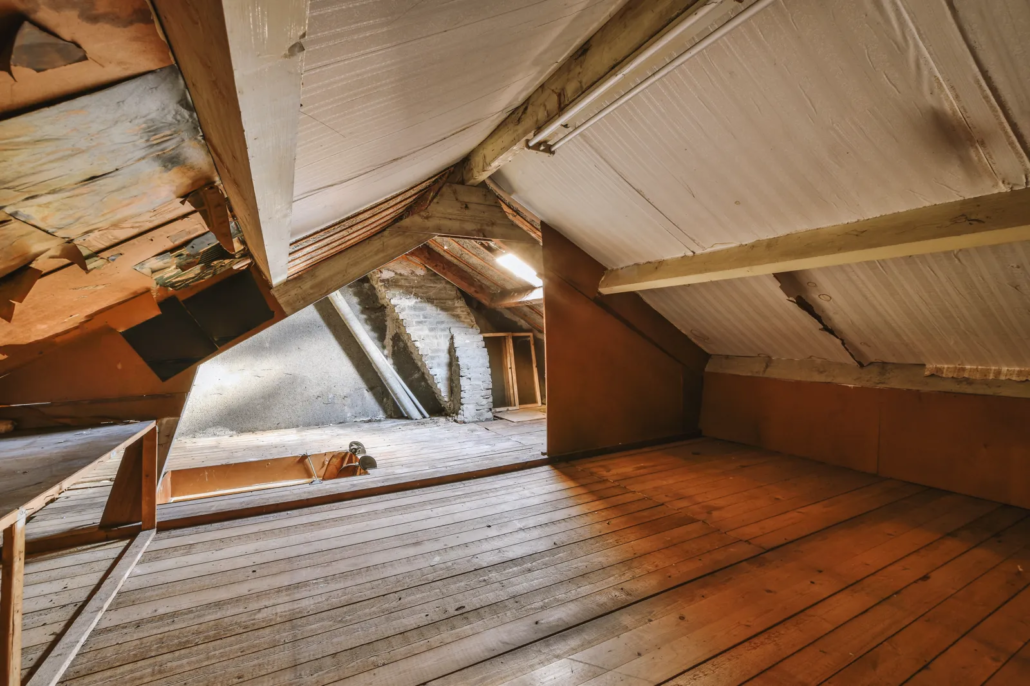
Your attic can reveal more than you think. Damp insulation, wood rot, or signs of mold can point to roof damage inside attic spaces that hasn’t made its way to your living areas—yet. Inspecting your attic periodically can help you catch issues early before they spread.
Understanding how roof damage spreads is key to staying ahead of it. Water can flow across rafters, along vapor barriers, and into hidden nooks. By the time it shows up on your drywall, it may have already compromised large portions of your roofing structure.
What to Look for During an Inspection
The good news is, you don’t need to wait for water stains or a storm to trigger an inspection. Learning to spot roof inspection signs like cracked or curling shingles, algae growth, sagging sections, or flashing gaps can help you catch early deterioration.
Some of the most overlooked clues are the early signs of roof failure, like excessive granules in gutters, discoloration, or a spike in energy bills. These indicators may not seem urgent but can signal more significant issues just beneath the surface.
The Risks of Waiting
Left unchecked, roof damage causes home repairs to stack up fast—from interior ceiling damage to compromised structural supports. And when damage spreads, it doesn’t just affect your roof. Electrical systems, insulation, and even your foundation can be at risk.
Final Thoughts
Roof issues don’t always announce themselves clearly. That’s why it’s so important to look beyond what you see and understand where problems often begin. From roof damage inside attic spaces to roof problems without leaks, being proactive with inspections and maintenance can save you time, money, and stress in the long run.


