Do Trees Protect Your Roof or Damage It? The Answer Is Both
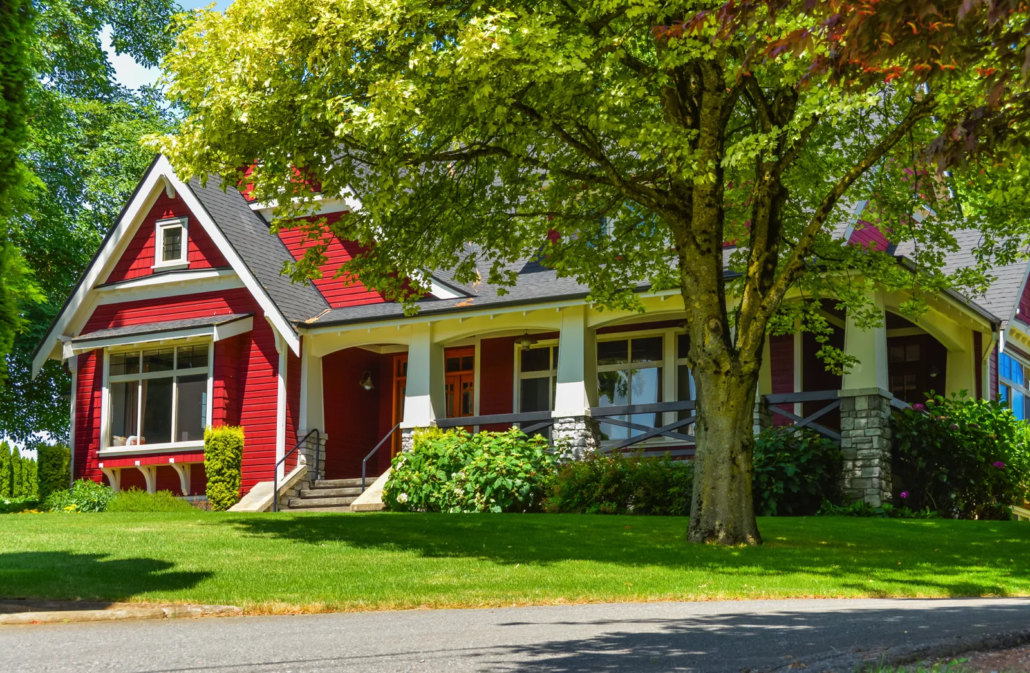
Trees can completely change the feel of a property. They provide shade, improve curb appeal, and make outdoor spaces more comfortable during the summer. But when it comes to your roof, tree coverage can be both helpful and harmful. Understanding how nearby trees affect roofing materials can help homeowners avoid costly repairs and extend roof life.
The Benefits of Shade
One of the biggest advantages of tree coverage is reduced sun exposure. Constant UV rays slowly break down roofing materials over time, especially asphalt shingles. In some situations, the shade impact on roof surfaces can actually help preserve shingles by lowering roof temperatures during hot weather.
Less direct sunlight may reduce thermal expansion and slow down granule loss. For homeowners in warmer climates, this can help extend the lifespan of roofing materials.
When Shade Becomes a Problem
The downside is that too much shade creates moisture retention. Roof surfaces that stay damp for long periods are more likely to develop moss on roof shingles and organic growth.
This is where algae roof growth often becomes noticeable. Dark streaks or green patches may seem cosmetic at first, but they can trap additional moisture against the roof surface. Over time, this weakens shingles and speeds up deterioration.
Falling Debris and Drainage Issues
One of the most common forms of roof damage from trees comes from leaves and branches. Even small debris can create problems if it builds up regularly.
Leaves clogging roof valleys, gutters, and drainage systems prevent water from flowing properly. Once water backs up, moisture can seep beneath shingles or flashing. Over time, trapped water may lead to leaks or wood rot around the roofline.
Overhanging Branches Cause Wear
Branches hanging too close to the roof create additional risks. During windy conditions, limbs can scrape shingles repeatedly, wearing away protective granules. In storms, falling branches may puncture roofing materials or damage flashing.
These tree overhanging roof problems are especially common after heavy snow or strong winds. Even smaller limbs can create gradual wear that homeowners may not notice until leaks appear later.
The Importance of Regular Maintenance
The good news is that most tree-related roofing issues can be managed with routine upkeep. Proper roof maintenance trees strategies include trimming branches away from the roofline, cleaning gutters regularly, and inspecting shaded areas for moss or algae growth.
Homeowners often underestimate how much trees damaging roof systems can be prevented with simple maintenance. A well-maintained roof can still benefit from shade without suffering the long-term effects of trapped moisture or debris buildup.
Finding the Right Balance
Trees aren’t automatically bad for roofs. In many cases, they provide real benefits by reducing heat exposure and improving energy efficiency. Problems usually arise when maintenance is ignored or branches are allowed to grow too close to the structure.
Final Thoughts
Tree coverage affects roofs in more ways than most homeowners realize. From shade impact on roof performance to moisture buildup, debris accumulation, and roof damage from trees, the relationship is a balancing act.
By staying proactive with roof maintenance with trees and watching for signs of moss on roof shingles or algae roof growth, homeowners can enjoy the benefits of mature trees without sacrificing roof lifespan.


