Flat Roof Failure Causes: What Really Impacts Lifespan
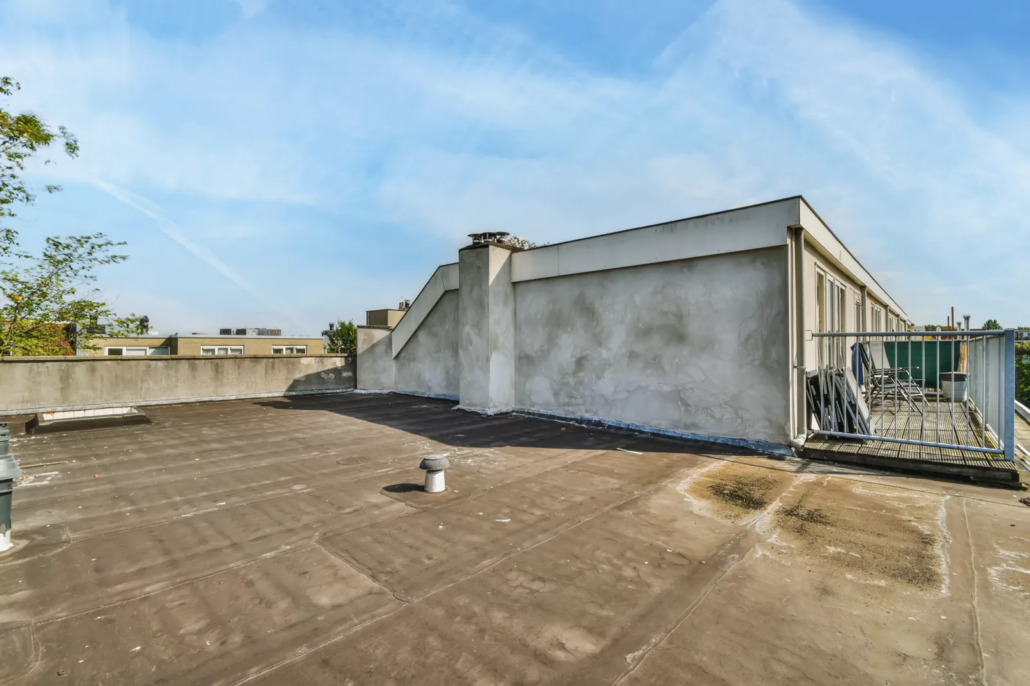
At first glance, two flat roofs installed with the same materials on similar buildings should age at the same pace. In reality, that almost never happens. One roof may last 25 years with minimal issues, while another begins to show problems in less than half that time. Understanding the real flat roof failure causes helps explain why performance can vary so widely even when everything looks identical on paper.
Installation Quality Sets the Baseline
One of the biggest commercial roof lifespan factors is how the system was installed in the first place. Even small inconsistencies like poorly sealed seams or uneven insulation can create vulnerabilities. These issues may not show up right away, but over time they contribute to premature flat roof failure.
This is why installation quality roof failure is such a common root cause. A roof is only as strong as its weakest detail, and those details are often hidden beneath the surface.
Maintenance Makes a Bigger Difference Than You Think
Two identical roofs can age very differently depending on how they are maintained. Regular inspections, cleaning drains, and addressing minor issues early all play a role in long-term performance.
The roof maintenance impact lifespan is significant. A well-maintained roof may last years longer than one that is ignored. On the other hand, deferred maintenance often leads to leaks, membrane damage, and structural concerns that accelerate decline.
Environmental Conditions Aren’t Always Equal
Even buildings located in the same city can experience different environmental stresses. Sun exposure, wind patterns, nearby trees, and even rooftop traffic can affect performance. The environmental impact on flat roofs includes UV degradation, temperature swings, and debris accumulation.
These conditions contribute to flat roof aging factors that aren’t always obvious during installation. A roof exposed to constant sunlight or standing water will naturally wear faster than one in more moderate conditions.
Design and Drainage Play a Role
Subtle differences in slope and drainage can also create roof system performance differences. A roof that drains efficiently will shed water quickly, while one with low spots may develop ponding. Over time, standing water weakens materials and increases the likelihood of leaks.
This is one of the reasons why flat roofs fail early in some cases. Poor drainage may not seem like a major issue at first, but it can dramatically shorten a roof’s lifespan.
Usage and Rooftop Activity
Another overlooked factor is how the roof is used. Frequent foot traffic from maintenance crews, HVAC servicing, or equipment installations can contribute to wear. These activities fall under commercial roof durability factors that influence how long the system holds up.
Two roofs may be identical at installation, but if one sees significantly more traffic or equipment movement, it will likely age faster.
Final Thoughts
No two roofs perform exactly the same, even if they start out that way. From installation quality roof failure to environmental exposure and maintenance habits, many variables influence how a roof ages.
By understanding key commercial roof lifespan factors and addressing common flat roof failure causes, property owners can take a more proactive approach. Paying attention to maintenance, drainage, and usage patterns can help extend the life of a roof and reduce the risk of premature flat roof failure.


