Roof Ventilation Problems: The Hidden Cause of Early Shingle Failure
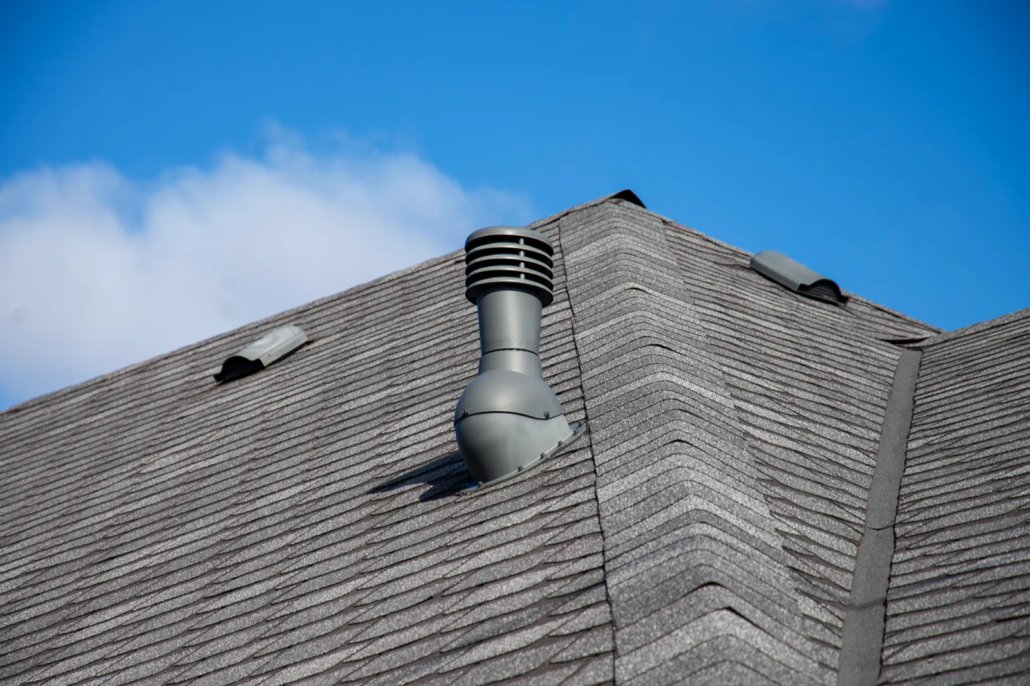
When homeowners think about roof damage, they usually imagine storms, falling branches, or aging materials. What many people don’t realize is that a roof can deteriorate from the inside out. One of the most common causes of premature roof failure is improper airflow in the attic. Over time, roof ventilation problems can significantly shorten the life of asphalt shingles and lead to costly repairs.
Why Ventilation Matters
A properly ventilated attic allows air to circulate through intake and exhaust vents. This movement helps regulate temperature and moisture levels beneath the roof deck. Without that balance, heat and humidity build up quickly. Those conditions are what lead to attic ventilation roof damage.
During warmer months, trapped heat rises into the roof structure. In winter, moisture from inside the home can condense in the attic. Both situations slowly weaken roofing materials and accelerate wear.
The Impact of Excess Heat
One of the biggest threats to shingles is excessive attic temperature. When ventilation is poor, heat can become trapped under the roof deck, causing overheating of shingles. Asphalt shingles are designed to handle outdoor weather conditions, but prolonged heat from below can make them brittle.
Over time, this heat contributes to poor ventilation shingle failure, where shingles crack, curl, or lose their protective granules much earlier than expected. In some cases, roofs that should last 25 years may begin failing in less than 15.
Hidden Damage Inside the Attic
The damage caused by ventilation problems is often invisible from the ground. Inside the attic, however, the warning signs can be easier to spot. High temperatures, damp insulation, or wood discoloration may all indicate attic heat roof damage.
These conditions affect more than shingles. Moisture buildup can weaken structural components and reduce insulation effectiveness. When ventilation is corrected early, many of these issues can be prevented.
Warning Signs to Watch For
Recognizing the signs of bad roof ventilation can help homeowners act before major damage occurs. Common indicators include shingles that curl or blister, unusually hot attic spaces, ice dams in winter, or peeling exterior paint near rooflines.
These symptoms often point to deeper ventilation-related roof issues that may be affecting the entire roofing system. Addressing ventilation early can extend the life of the roof and improve overall energy efficiency.
Protecting Your Roof’s Lifespan
Proper airflow is one of the simplest ways to protect your investment. Balanced intake and exhaust vents allow hot air to escape and cooler air to circulate through the attic. When ventilation works correctly, it helps regulate moisture and temperature, both of which influence roof lifespan.
Professional inspections can determine whether your roof system has adequate ventilation. Sometimes the fix is as simple as clearing blocked vents or adding ridge or soffit ventilation.
Final Thoughts
A roof’s durability depends on more than just shingles and underlayment. Airflow plays a critical role in how long a roof lasts. By identifying roof ventilation problems early and correcting ventilation-related roof issues, homeowners can prevent premature wear and protect their roof for years to come.


