What Causes Some Roofs to Wear Out Faster Than Others?
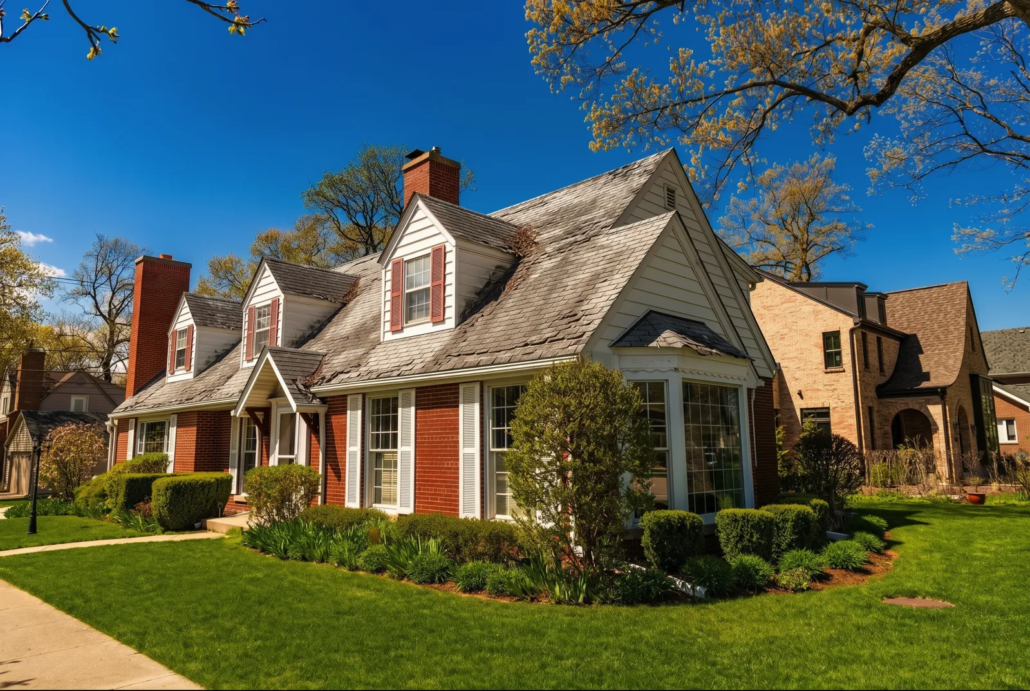
Have you ever noticed two homes built around the same time on the same street, but one roof looks worn out years earlier than the other? It’s a surprisingly common situation. Many homeowners assume roofs age evenly, especially in the same neighborhood. In reality, there are several reasons why roofs age differently, even when the homes appear nearly identical.
Sun Exposure Makes a Bigger Difference Than You Think
One of the most important factors is sunlight. Constant UV exposure slowly breaks down roofing materials over time. Homes with little shade or roofs facing direct afternoon sunlight often experience faster wear.
This type of sun exposure roof damage can dry out shingles, weaken adhesives, and cause granule loss earlier than expected. Even houses across the street from each other may receive very different levels of sunlight throughout the day.
Ventilation and Attic Conditions Matter
Proper airflow inside the attic has a huge impact on roof longevity. Poor ventilation traps heat and moisture beneath the roof deck, which accelerates shingle deterioration.
This often leads to premature roof aging, especially during hot summers or freezing winters when temperature swings are extreme.
Two roofs may have the same shingles installed, but differences in attic ventilation can create major roof lifespan differences over time.
Installation Quality Plays a Role
Even if the same materials were used, workmanship quality can affect how long a roof lasts. Small installation mistakes like improper nailing, poor flashing placement, or uneven ventilation, may not show up immediately.
Over time, however, these details contribute to uneven roof deterioration. One roof may remain stable for decades while another develops leaks, curling shingles, or weak spots much sooner.
Trees, Moisture, and Environmental Conditions
The local environment around a home also matters more than people realize. Trees hanging over one roof can trap moisture, drop debris, and encourage algae or moss growth. Nearby water sources, wind exposure, and shade patterns all influence environmental roof damage.
These conditions create different roof wear patterns from one house to another, even within the same block. A shaded roof may retain moisture longer, while another may dry out faster due to direct sun and wind.
Maintenance Habits Change Everything
One homeowner may clean gutters regularly, schedule inspections, and address minor repairs quickly. Another may ignore small problems until they become major issues.
This is one of the hidden reasons behind neighborhood roof aging differences. Maintenance habits have a direct impact on how long roofing materials hold up.
Weather Doesn’t Hit Every Roof the Same
Wind-driven rain, hail direction, and snow accumulation can vary based on roof orientation and surrounding structures. Even neighboring homes can experience storms differently depending on roof angle, nearby trees, or building placement.
Over time, those repeated exposures contribute to noticeable roof lifespan differences.
Final Thoughts
Roofs may start out looking identical, but they rarely age the same way. From sun exposure roof damage to ventilation problems and maintenance habits, many factors influence why roofs age differently.
Understanding these causes helps homeowners recognize that roofing lifespan isn’t just about materials, it’s also about environment, installation quality, and long-term care. Paying attention to these details can help prevent premature roof aging and extend the life of your roof for years to come.


