Residential Roof Cleaning: What Every Homeowner Should Know
Your roof works hard every day, protecting your home from rain, snow, wind, and the sun. Over time, though, it’s not just the weather that takes a toll. Moss, algae, dirt, and debris can slowly build up on the surface, affecting both the appearance and the lifespan of your roof. The good news is that regular cleaning can help keep your roof in better condition, but only if it’s done correctly.
If you’ve noticed dark streaks or green patches overhead, here’s what you need to know before grabbing a ladder.
Know the Signs Your Roof Needs Attention
One of the first things homeowners ask is whether their roof actually needs cleaning. There are several signs that the roof needs cleaning, and some are easier to spot than others.
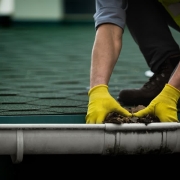
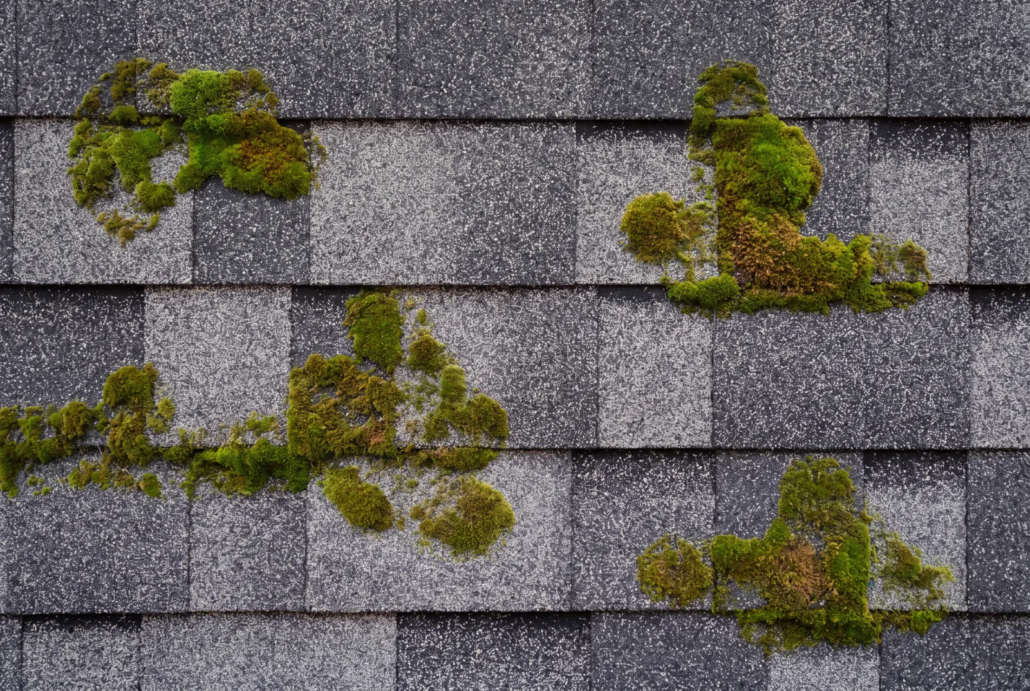
Dark streaks running down shingles are often caused by algae rather than dirt. Thick green patches usually indicate moss growth. You may also notice leaves collecting in roof valleys, clogged gutters, or debris trapped around vents and chimneys.
Even if your roof isn’t leaking, these issues shouldn’t be ignored. Organic growth tends to trap moisture, which can shorten the life of roofing materials over time.
Moss and Algae Aren’t Just Cosmetic
Many people assume moss and algae are only appearance issues, but they can cause real damage.
The goal should always be to remove damaging moss before it has a chance to lift shingles or trap excessive moisture against the roof surface. Moss acts like a sponge, holding water in place long after rain has stopped.
It’s equally important to remove damaging algae, which often appears as black streaks. While algae itself doesn’t usually eat away at shingles, it retains moisture and can accelerate the aging process when left untreated.
Why Soft Washing Is the Preferred Method
When it comes to cleaning a roof, stronger isn’t better.
Today, most roofing professionals recommend soft washing rather than pressure washing. Soft washing uses low-pressure water combined with specialized cleaning solutions that kill algae, moss, and mildew without damaging the roofing material.
High-pressure washing can strip away protective granules from asphalt shingles, shorten their lifespan, and even force water beneath the roofing system.
For most asphalt roofs, the best method to clean a roof is almost always soft washing performed correctly.
DIY or Hire a Professional?
Many homeowners wonder about DIY versus hiring a professional. While cleaning your own roof may seem like a way to save money, there are several factors to consider.
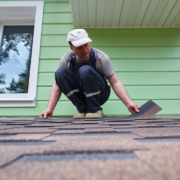
Working on a roof can be dangerous, especially if the surface is wet, steep, or covered with moss. In addition, using the wrong cleaning products or equipment can accidentally damage shingles or void certain manufacturer warranties.
Professional roof cleaners have the equipment and experience to safely inspect the roof, identify potential problems, and apply cleaning methods appropriate for the roofing material.
Cleaning Is Also a Good Time for an Inspection
One overlooked benefit of roof cleaning is that it provides an opportunity to catch small problems before they become expensive repairs.
Loose flashing, cracked shingles, worn sealant, or clogged drainage areas are much easier to address when they’re found early.
Final Thoughts
Keeping your roof clean isn’t just about curb appeal. It’s an important part of protecting one of the biggest investments in your home.
Learning to recognize the signs that a roof needs cleaning, choosing soft washing as the best method to clean a roof, and knowing when to choose DIY versus hiring a pro can help extend your roof’s lifespan. Regular maintenance, along with efforts to remove damaging moss and remove damaging algae, goes a long way toward preventing costly repairs in the future.