What Property Managers Should Know Before Hiring a Commercial Roofing Company

A roofing proposal lands in your inbox. One contractor recommends repairs. Another says the roof needs to be replaced. A third offers a price that’s dramatically lower than the others. If you’re responsible for maintaining a commercial property, knowing which recommendation to trust isn’t always straightforward.
The right commercial roofing company won’t simply hand you an estimate, they’ll help you understand the condition of your roof, explain your options, and recommend solutions that fit both your building and your budget. Before you sign a contract, there are a few things every property manager should know that can help prevent costly mistakes down the road.
What Should I Look for in a Commercial Roofing Company?
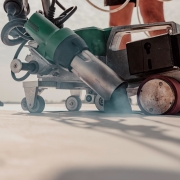
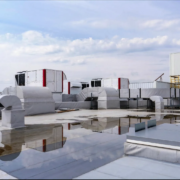
Not every roofer has experience with commercial buildings. Flat roofing systems such as TPO roofing and EPDM roofing require different installation methods, repair techniques, and maintenance plans than residential roofs.
A reputable commercial roofing company should have experience working on buildings similar to yours and be able to explain the condition of your roof in clear, practical terms. They should also provide a detailed roofing estimate that outlines exactly what work is included instead of offering vague pricing.
Don’t hesitate to ask whether they’re a licensed roofing contractor and an insured roofing company. Proper licensing and insurance protect both your property and everyone working on the roof.
How Do I Choose the Right Commercial Roofing Contractor?
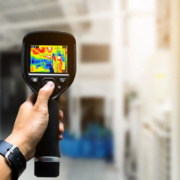
A qualified commercial roofing contractor should do more than recommend repairs. They should perform a thorough commercial roof inspection before discussing solutions.
That inspection helps identify hidden moisture, drainage problems, deteriorating flashing, membrane damage, and other issues that aren’t always visible from the ground.
If a contractor recommends a commercial roof replacement without performing a detailed inspection, consider getting a second opinion. Sometimes targeted flat roof repair or restoration can safely extend the roof’s lifespan.
Why Is Preventive Maintenance So Important?
One of the biggest mistakes a property management company can make is waiting until a roof leaks before calling for help.
Routine commercial roof maintenance catches small problems before they become major repairs. Clearing drains, sealing flashing, checking rooftop equipment, and inspecting seams can significantly extend the life of a roofing system.
Good building maintenance also helps preserve your roof warranty, since many manufacturers require documented maintenance to keep warranty coverage valid.
Many experienced commercial roofing companies also offer preventative maintenance programs that make budgeting easier and reduce emergency calls throughout the year.
What Questions Should Property Managers Ask?
Before hiring a commercial roofing contractor, ask questions such as:
- How often do you recommend a commercial roof inspection?
- Do you provide emergency commercial roofing services?
- Can you help with long-term roof asset management?
- What experience do you have with TPO and EPDM roofing systems?
- Will you provide documentation and photos after inspections?
These questions help you evaluate whether the contractor is focused on long-term partnerships instead of one-time repairs.
Think Beyond Today’s Repair
Every roofing decision should support the long-term health of your building. An experienced commercial roofing company should help you plan for future repairs, maintenance, and eventual replacement—not simply respond when something goes wrong.
For every facility manager or commercial building owner, investing in regular commercial roof maintenance is often the most affordable way to reduce emergency repairs and extend the life of the roof. And if unexpected damage does occur, having a trusted contractor already familiar with your building makes emergency commercial roof repair faster and far less stressful.
Choosing the right commercial roofing company isn’t just about today’s project. It’s about protecting one of your property’s most valuable assets for years to come.