When Cosmetic Roof Damage Turns Into a Major Problem
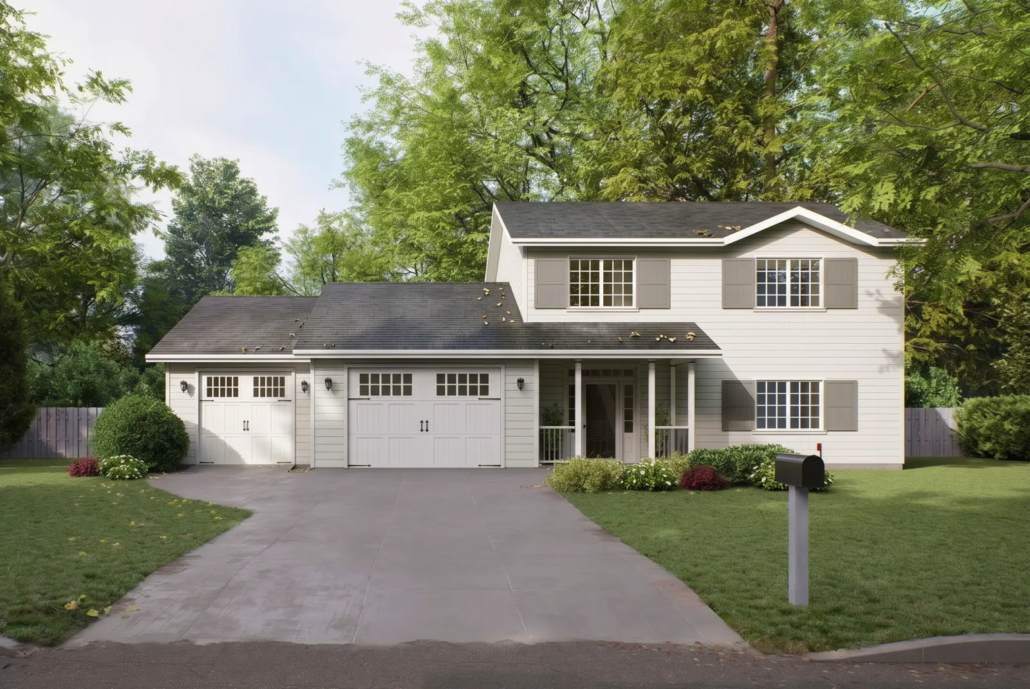
At first glance, a few missing shingles or some discoloration on your roof might not seem like a big deal. Many homeowners assume these are purely aesthetic issues, something to fix “eventually.” But the reality is that what starts as surface-level wear can quietly develop into something much more serious. Understanding the difference between cosmetic vs structural roof damage is key to protecting your home.
It Starts Small—But Doesn’t Stay That Way
Most roofing problems begin with minor issues. A lifted shingle, a cracked seal, or a bit of flashing that’s come loose might not cause immediate leaks. However, these are often the early roof damage signs that signal trouble ahead.
Left unchecked, these small problems allow moisture to enter the roofing system. That’s where roof damage progression begins. Water can seep into underlayment, insulation, and eventually the decking beneath your roof. At this point, the damage is no longer cosmetic, it’s structural.
Why Minor Damage Is Risky
It’s easy to underestimate the impact of small issues. After all, if there’s no leak, what’s the harm? The truth is, minor roof damage risks are often hidden. Moisture can spread quietly, weakening materials over time.
This is how small roof issues big problems become a reality. What might have been a simple repair early on can turn into a much larger and more expensive project later. In some cases, prolonged exposure to moisture can even lead to mold growth or compromised structural supports.
Understanding the Stages of Deterioration
Roofs don’t fail overnight. They go through predictable roof deterioration stages. It often starts with surface wear, followed by minor breaches in the protective layer. From there, moisture infiltration begins, and the internal structure starts to weaken.
As the process continues, you may notice sagging areas, persistent leaks, or visible damage inside the home. At this stage, roof damage escalation has already occurred, and repairs become more complex.
Knowing When It’s Serious
One of the biggest challenges for homeowners is recognizing when roof damage is serious. By the time water stains appear on ceilings or walls, the problem has usually been developing for quite some time.
Other warning signs include soft spots on the roof, increased energy bills due to insulation damage, or debris buildup in gutters. These indicators suggest that the issue has moved beyond cosmetic concerns.
Why Early Action Matters
Addressing damage early is the best way to avoid costly repairs. Regular inspections help catch issues before they progress. A professional can identify whether you’re dealing with simple wear or the beginning of a larger structural problem.
Understanding cosmetic vs structural roof damage allows you to make informed decisions and prioritize repairs before they escalate.
Final Thoughts
Your roof is your home’s first line of defense. Ignoring minor issues can lead to significant consequences over time. By recognizing early roof damage signs and understanding how roof damage progression works, you can take action before small problems turn into major ones.


