Hidden Roof Damage After a Storm: What Homeowners Miss
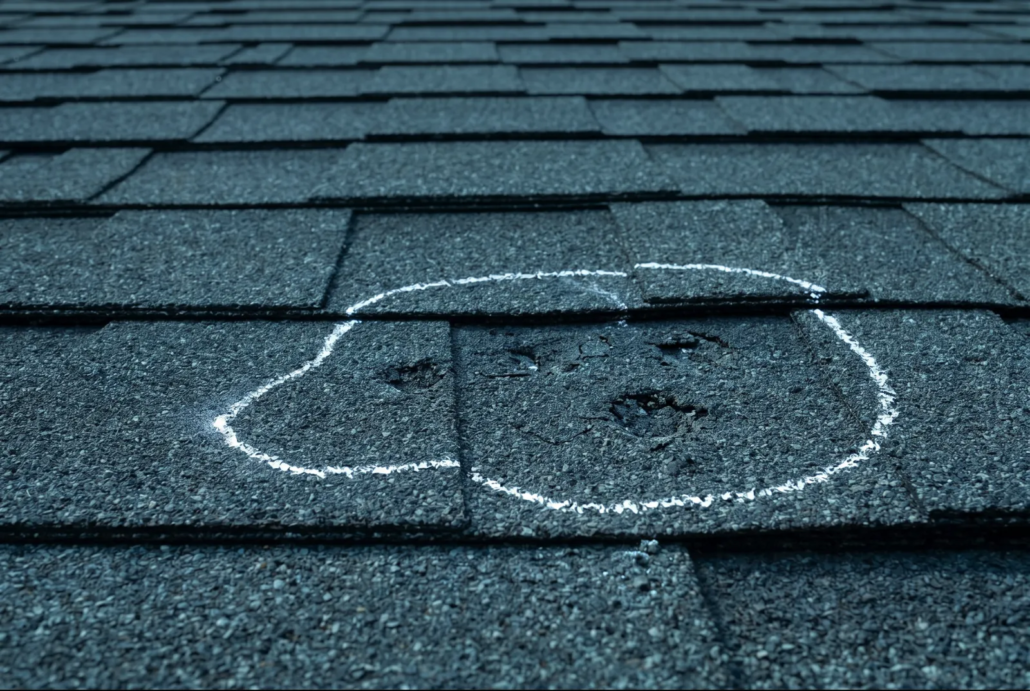
When a major storm rolls through, most homeowners look for obvious damage right away. Missing shingles, fallen branches, or water pouring through the ceiling are easy to spot. But some of the most expensive roofing problems don’t appear until days or even weeks later. That’s why understanding hidden storm damage roof issues is so important after severe weather passes.
Storm Damage Isn’t Always Immediate
A roof can survive a storm visually and still have underlying problems. Wind and hail often weaken roofing materials without causing dramatic damage right away. In many cases, homeowners don’t realize there’s a problem until they notice leaks, rising energy bills, or stains inside the home later on.
This delayed damage is one reason professional storm damage roof inspection services are recommended after strong storms, even if everything appears normal from the ground.
Hail Damage Can Be Subtle
One of the hardest types of damage to identify is hail impact. Many hail damage signs on a roof are easy to miss without training. Small dents, bruised shingles, granule loss, or soft spots may not stand out immediately, especially on older roofs.
Over time, however, those damaged areas break down faster under sun exposure and rain. What looked minor after the storm can eventually turn into leaks or structural deterioration.
Wind Damage Often Spreads Slowly
High winds don’t always rip shingles completely off the roof. Sometimes they loosen edges, break adhesive seals, or lift shingles just enough to create future vulnerabilities. This type of wind damaged roof shingle issue may not cause immediate leaks, but it weakens the roof’s ability to resist future weather events.
As moisture works underneath loosened shingles, the damage spreads quietly. Weeks later, homeowners may begin noticing interior issues tied directly back to the original storm.
Why Inspections Matter
One of the biggest mistakes homeowners make is waiting for visible leaks before scheduling a roof storm assessment. By that point, water may already be affecting insulation, decking, or attic spaces.
Professional inspections help identify subtle roof storm damage before it escalates. Roofing professionals know where to look for stress points around flashing, valleys, vents, and roof penetrations, areas where storm damage often begins.
Insurance Claims Depend on Documentation
Another reason early inspections matter is insurance. Many policies require prompt reporting after a storm event. If damage worsens over time, insurers may argue it resulted from neglect rather than the original storm.
Recognizing roof damage signs early gives homeowners a better chance of documenting the issue properly for insurance. A thorough inspection report, photos, and repair estimates can all strengthen a future claim if repairs become necessary.
The Problem with Waiting
The longer roof damage after storm conditions go unchecked, the more expensive repairs tend to become. Minor shingle damage can lead to moisture intrusion, mold growth, insulation issues, and even structural repairs if ignored for too long.
Final Thoughts
Not all storm damage announces itself immediately. Some of the most serious roofing problems begin quietly, hidden beneath shingles or inside attic spaces. By understanding the warning signs of hidden storm damage roof issues and scheduling a professional roof storm assessment, homeowners can catch problems early and avoid larger repairs later.


