Roof Warranty Denied? Here’s Why It Happens
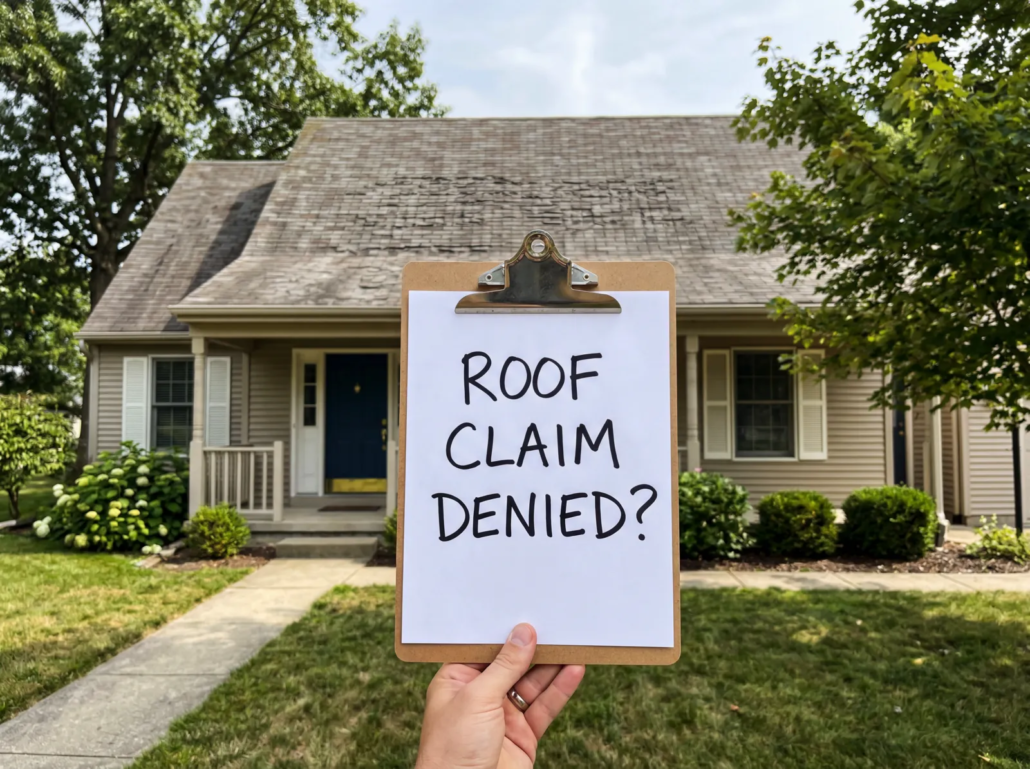
A new roof often comes with a sense of security. Along with it comes a warranty, which many homeowners assume will cover just about anything that goes wrong. Unfortunately, that’s not how most warranties work. The gap between expectations and reality is where a lot of frustration begins. Understanding roof warranty exclusions upfront can save you from surprises later.
What a Roofing Warranty Actually Covers
Most roofing systems come with two types of protection: a manufacturer warranty and a workmanship warranty. Knowing the difference between workmanship vs manufacturer warranty is critical.
A manufacturer warranty typically covers defects in the roofing materials themselves. For example, if shingles fail prematurely due to a manufacturing issue, that may be covered. However, this is where shingle warranty limitations come into play. These warranties rarely cover installation errors, weather damage, or normal wear and tear.
Workmanship warranties, on the other hand, are provided by the contractor and cover installation-related issues. Even then, coverage depends heavily on the terms outlined in the agreement.
Why Claims Get Denied
One of the biggest sources of frustration is when a homeowner files a claim only to hear that the issue falls under roofing warranty not covered conditions. This often leads to a roof warranty denied situation.
The most common reason? The problem doesn’t meet the criteria outlined in the policy. Many common roofing warranty issues involve things like improper maintenance, storm damage, or ventilation problems, all of which are usually excluded.
Another factor is documentation. If the homeowner can’t show proof of regular maintenance or inspections, the claim may be rejected. This is where roof warranty problems tend to escalate quickly.
The Fine Print Matters More Than You Think
It’s easy to overlook the details when signing a contract, but the roofing warranty fine print is where the real story lives. Terms like prorated coverage, transferability, and maintenance requirements can all affect whether a claim is approved.
For example, some warranties decrease in value over time, meaning you’ll only receive partial compensation for repairs. Others may require specific installation methods or certified contractors to remain valid.
Without understanding these details, homeowners often assume they have more protection than they actually do.
Maintenance Plays a Bigger Role Than Expected
Many warranties require regular upkeep to stay valid. Failing to maintain the roof properly can void coverage altogether. This includes cleaning debris, addressing minor damage promptly, and ensuring proper ventilation.
When maintenance is neglected, issues that develop later are often classified under roof warranty exclusions, leaving the homeowner responsible for repairs.
Managing Expectations Moving Forward
The reality is that warranties are designed to protect against specific scenarios, not every possible issue. Knowing the limits of your coverage helps you avoid unnecessary frustration.
If you’re unsure about your current warranty, it’s worth reviewing the details or having a professional explain what’s included. Understanding workmanship vs manufacturer warranty coverage can help you make informed decisions if problems arise.
Final Thoughts
Roofing warranties can be valuable, but they aren’t a catch-all solution. Many complaints fall outside of coverage due to shingle warranty limitations, maintenance requirements, or overlooked roofing warranty fine print.
By knowing what to expect and what not to you can avoid the disappointment that often comes with a roof warranty denied claim. A little clarity now can go a long way toward protecting your investment later.


